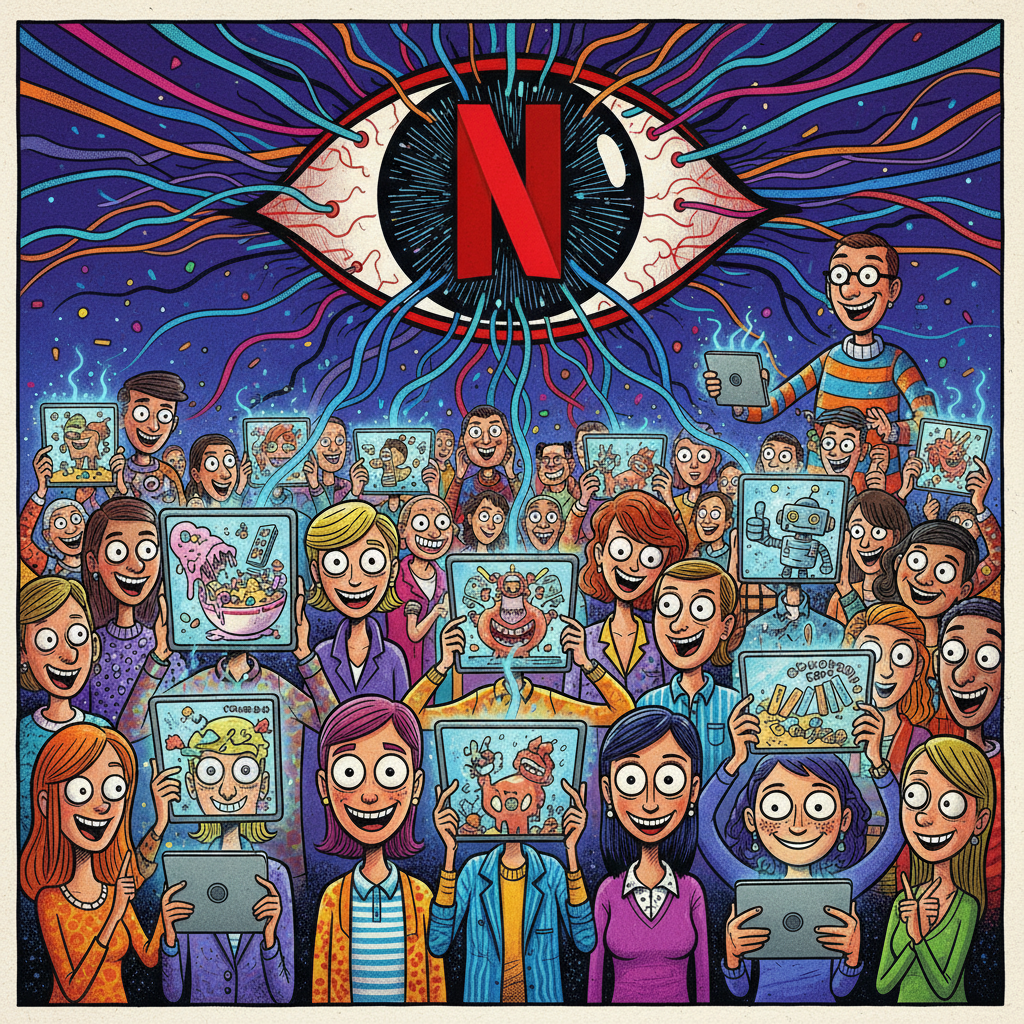
LOS GATOS, CA – A recent internal analysis by streaming behemoth Netflix has revealed that the platform's proprietary algorithm is now primarily optimizing for content that simulates the collapse of society, specifically military survival thrillers. This shift indicates a profound, if subconscious, desire among subscribers to vicariously experience extreme hardship and resource scarcity.
“We initially thought it was a fluke, a statistical anomaly,” explained Dr. Evelyn Reed, head of Predictive Despair at Netflix. “But after cross-referencing watch times with global anxiety levels, it became clear: people aren't just watching these films; they're *studying* them. They're taking notes on how to purify water with a sock and a shoelace, or how to hotwire a decommissioned tank.”
Industry observers suggest the trend reflects a broader cultural readiness for the worst. “It’s less about entertainment and more about reconnaissance,” noted cultural anthropologist Dr. Kenji Tanaka. “Viewers are essentially crowdsourcing their apocalypse preparedness. Why read a manual when you can binge-watch a highly produced, emotionally manipulative tutorial?”
Netflix executives, while privately concerned, are reportedly thrilled with the engagement metrics. The company is already fast-tracking several new productions featuring increasingly dire scenarios, including a limited series where the last remaining human struggles to connect to Wi-Fi in a post-apocalyptic bunker.