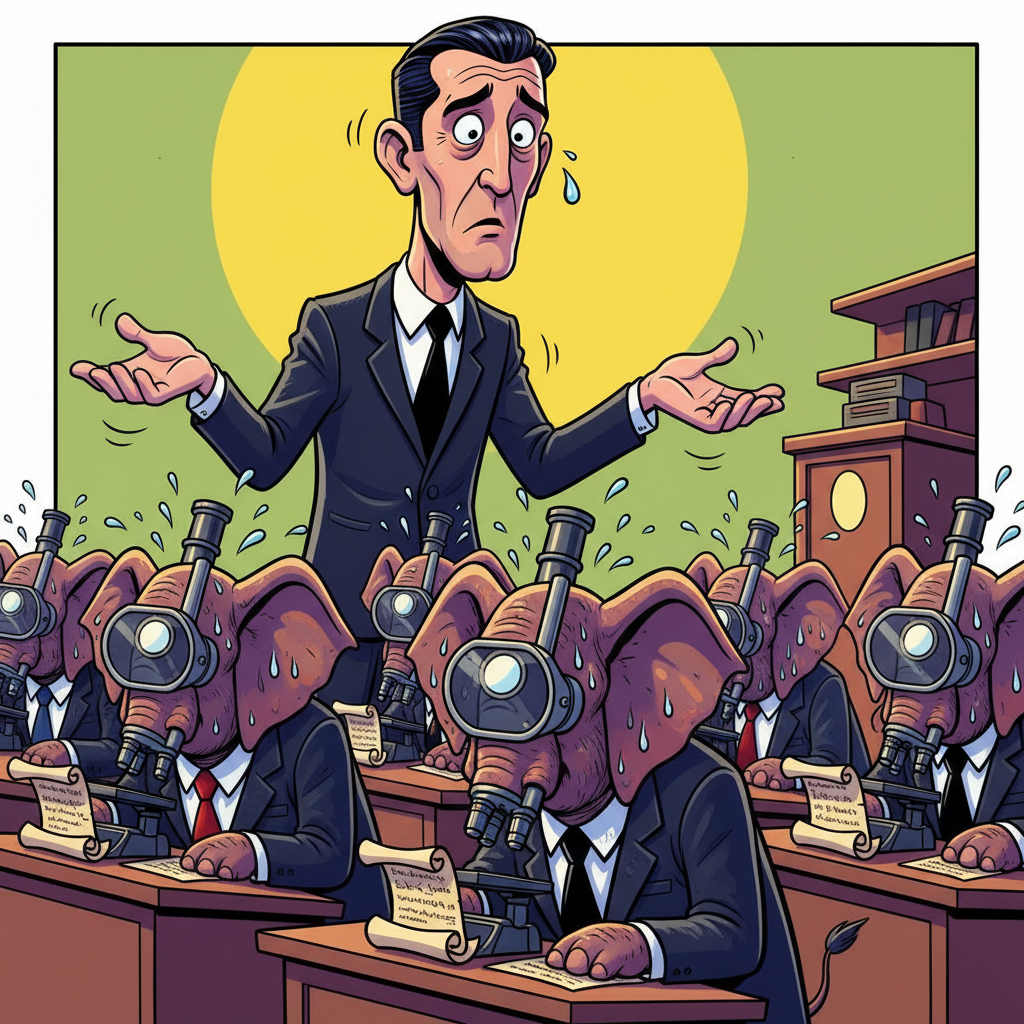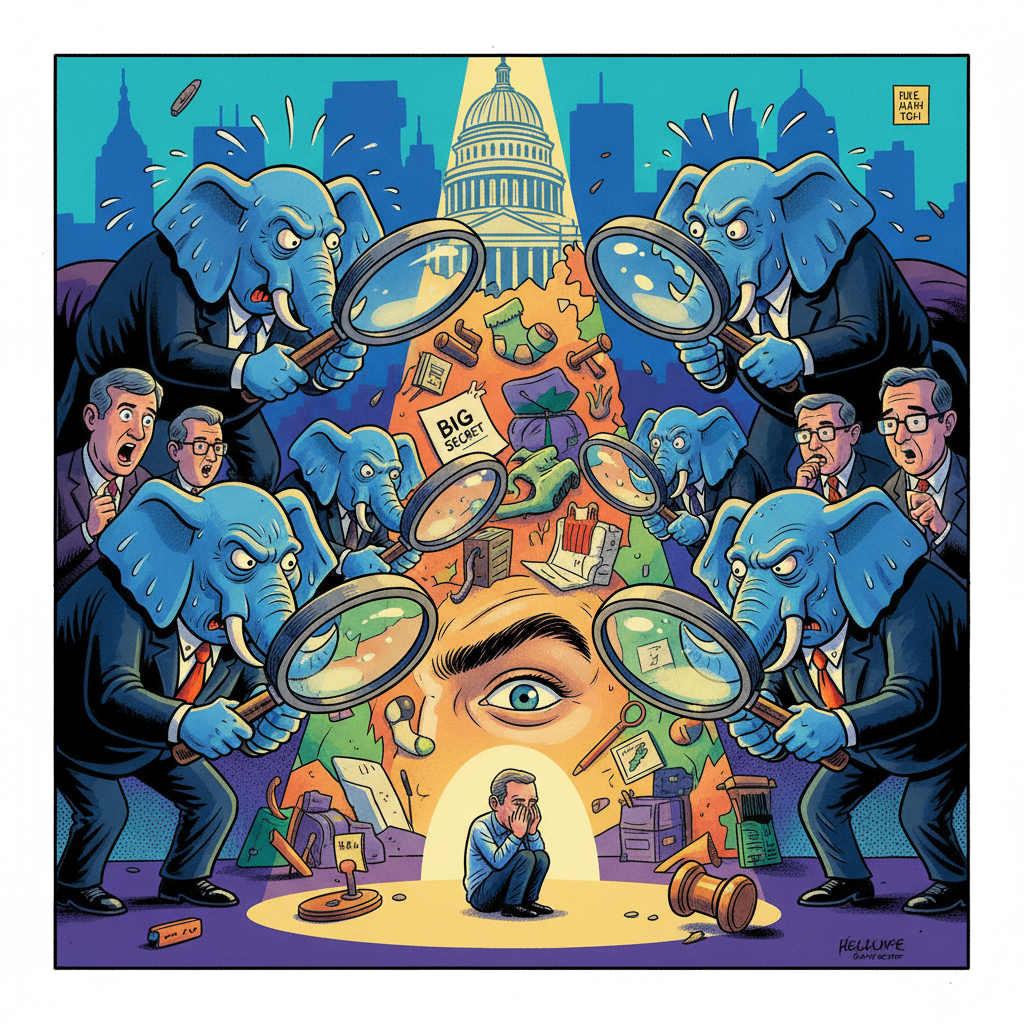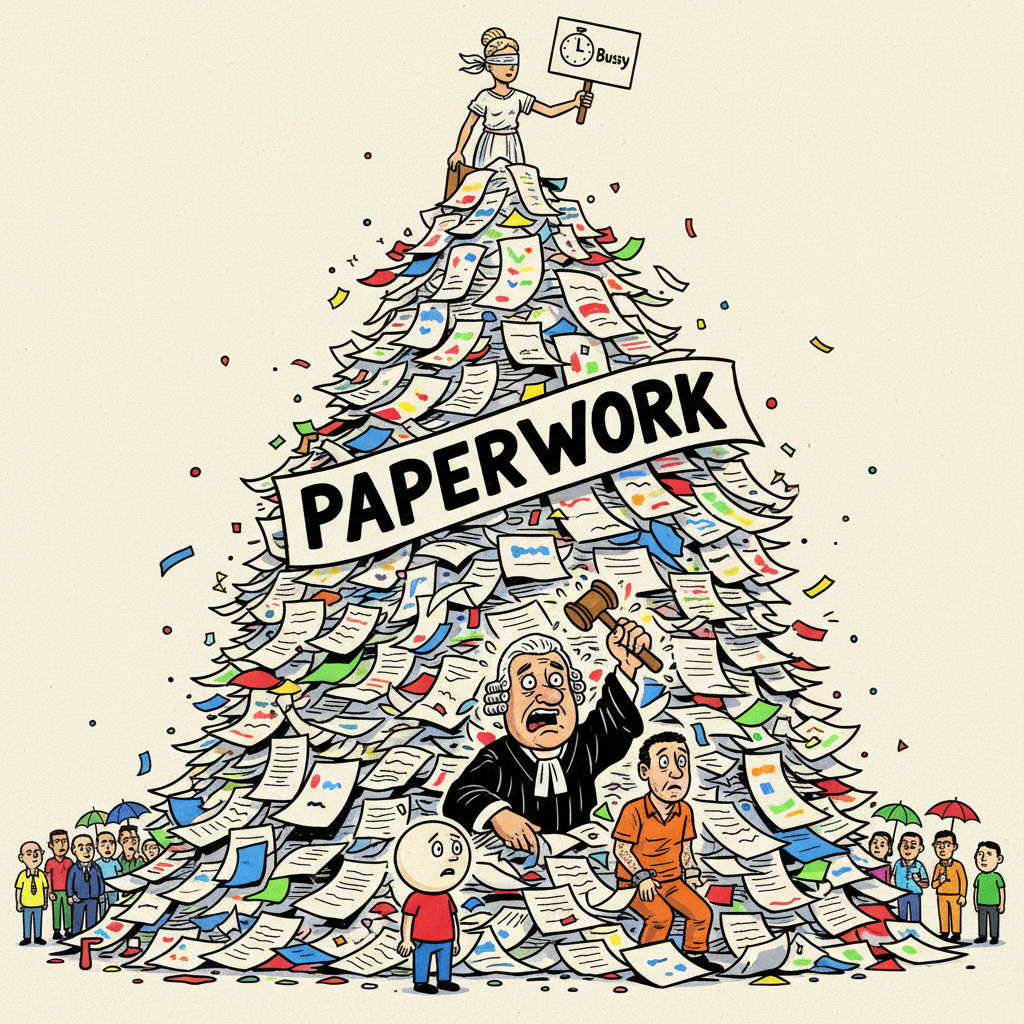
WASHINGTON D.C. — In response to recent international commentary regarding the United States' approach to prosecuting alleged offenders, particularly those accused of heinous crimes, federal justice officials have issued a clarifying statement. They assert that any impression of the U.S. being a 'safe haven' for suspected pedophiles or other serious criminals is a gross misunderstanding, attributing it instead to an 'unprecedented backlog of administrative duties.'
“It’s not that we’re not locking them up; it’s that we haven’t gotten to their file yet,” explained Department of Justice spokesperson, Brenda Carmichael, during a hastily arranged press conference. “Our commitment to due process means every piece of paper must be filed, reviewed, and then often refiled, sometimes several times, before we can even consider, you know, doing anything impactful.” Carmichael added that the system is currently prioritizing cases involving 'unlicensed lemonade stands and overdue library books.'
Legal experts, who spoke on condition of anonymity to avoid being assigned to the 'lemonade stand' task force, largely concurred. “The sheer volume of procedural minutiae required to move a case from 'allegation' to 'actual consequence' is staggering,” said one veteran prosecutor. “By the time we’ve dotted every ‘i’ and crossed every ‘t,’ many of these individuals have either moved to a non-extradition country or started a successful podcast.”
When pressed on whether other nations, as recently highlighted on a prominent awards telecast, seem to manage these processes more efficiently, Carmichael simply shrugged. “Perhaps they have fewer forms. Or, you know, fewer rights. We haven't really looked into it; the forms for that research are still pending approval.”