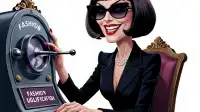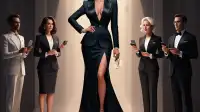
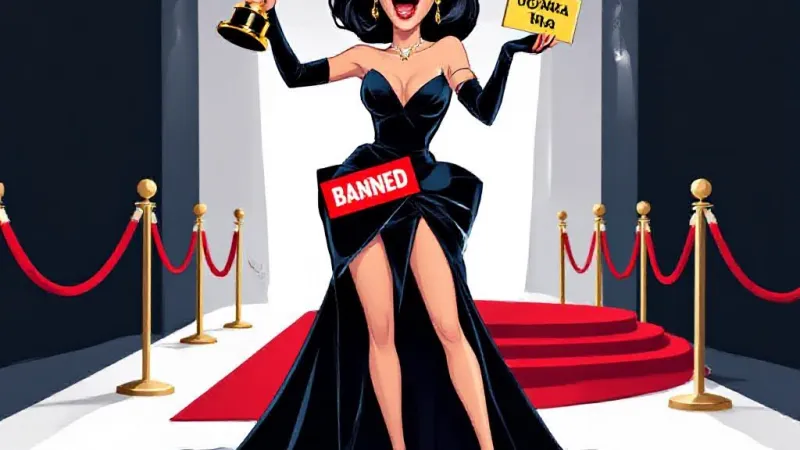
NEW YORK, NY – The Metropolitan Museum of Art's Costume Institute Gala has formalized a new "strategic ban" designation, reportedly designed to amplify the cultural cachet and online engagement of both the event and select high-profile attendees. The move comes as several public figures have either claimed exclusion or openly criticized the annual gathering, leading to a surge in digital chatter and increased FOMO among the influencer class.
"We recognized that outright bans, or even the perception of one, generate exponentially more buzz than a well-behaved attendance," stated Dr. Evelyn Thorne, Director of Brand Exclusivity for the Met Gala's PR consulting firm, Thorne & Associates. "By pre-approving certain high-visibility individuals for 'tier-one dissenter' status, we ensure they can maximize their 'authentic critic' brand while still contributing to the overall cultural footprint of the event. It's about optimizing the ecosystem of outrage and aspirational unavailability." Dr. Thorne noted that applications for 2026's "strategic ban" status exceeded expectations, with top agents now actively pitching their clients for the designation. The Met Gala planning committee is reportedly exploring a "staged walk-out" tier for future events.
One prominent celebrity, who requested anonymity to avoid jeopardizing her "authentic rebel" persona, confirmed her team had proactively negotiated her 2026 ban. "Honestly, showing up wearing an uncomfortable dress just doesn't hit the same anymore," she confided via an encrypted messaging app. "The real play is to be *seen* rejecting the system, even if the system helped you orchestrate the rejection. My social engagement metrics have never been higher. My agent says I'm now eligible for several 'de-influencer' brand partnerships, which are far more lucrative than any red carpet sponsorship." Industry insiders confirm a growing trend where celebrities deliberately cultivate "too cool for school" narratives, leveraging manufactured controversy to bypass traditional endorsement deals in favor of more 'relatable' authenticity.
This new PR frontier underscores a fundamental shift in how elite institutions maintain their relevance in the attention economy. By co-opting and commodifying dissent, the Met Gala ensures it remains at the center of cultural discourse, whether through fawning praise or curated condemnation. The spectacle now extends far beyond the red carpet, transforming into a year-long narrative arc where the most valuable seat is arguably the one you don't occupy.
In a hyper-saturated media landscape, the ultimate luxury isn't access; it's the carefully managed refusal of it, strategically packaged for maximum virality and brand association.