NEW YORK, NY — Met Gala chairwoman Anna Wintour has clarified her personal involvement in approving celebrity ensembles for the annual event, confirming reports that her direct scrutiny is reserved for only the most egregious and aesthetically challenging portion of the 600-plus submissions.
“Contrary to popular belief, I do not possess the bandwidth to personally sign off on every sequin and questionable fascinator,” Wintour reportedly stated in an internal memo leaked to *The Daily Thread*, a prominent fashion industry newsletter. “My direct intervention is reserved exclusively for those few looks that threaten to introduce genuine individuality, comfort, or, heaven forbid, a direct thematic interpretation that lacks sufficient ironic distance. Essentially, if it elicits a micro-wince, it earns my personal stamp of disapproval.”
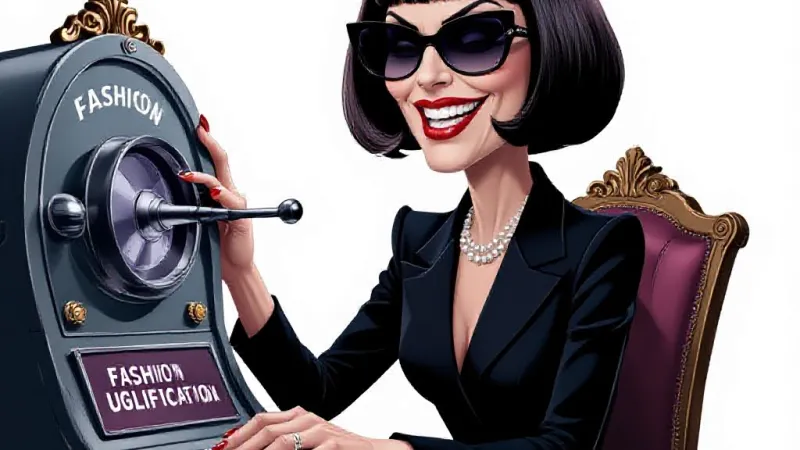
Sources within Condé Nast confirmed that the vast majority of outfit approvals are handled by a multi-stage gauntlet of junior editors, AI-powered “thematic compliance algorithms,” and a final review by a focus group of TikTok trend forecasters. “By the time a look reaches Ms. Wintour's final review queue, it has already passed through 17 automated and human-led vetting stages to ensure it aligns with the gala’s core mission of conspicuous consumption thinly veiled as artistic expression,” explained Chad McMillan, a third-tier assistant editor responsible for flagging “potentially enjoyable” ensembles. “Her role is less 'curator' and more 'quality control for existential dread,' ensuring that anything truly interesting is filtered out early.”
This clarification, coming just weeks after the year's “Garden of Time” theme sparked widespread internet confusion and a flurry of 'best and worst dressed' listicles, offers insight into the precise mechanics of the Met Gala's notorious gatekeeping. Attendees, who pay upwards of $75,000 for a single ticket, often spend hundreds of thousands more on custom ensembles designed specifically to meet the exacting, often unstated, criteria of the event's organizers.
Industry observers suggest the new process ensures that only the most deliberately bewildering and contextually baffling creations ultimately make it past the final, glacial nod of the event's legendary chairwoman. “It’s less about curating beauty,” observed long-time gala attendee and venture capitalist Brentley T. Rutherford III, “and more about meticulously engineering a shared public bewilderment that justifies the immense cultural real estate it occupies.”