


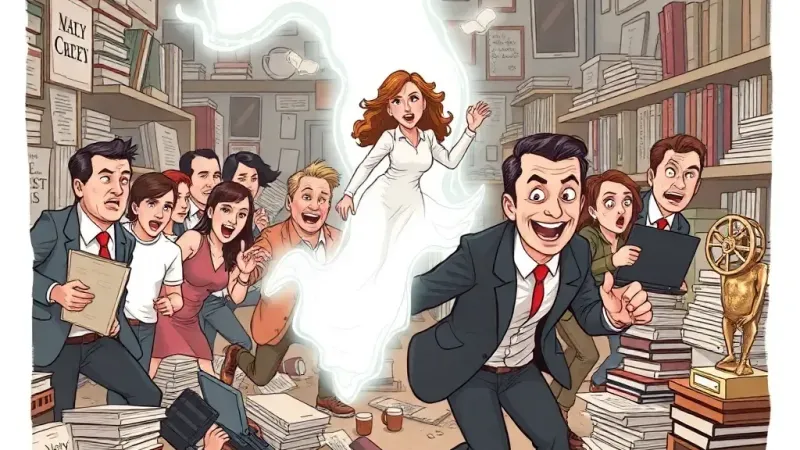
LOS ANGELES — Newsrooms across the country initiated a widespread, simultaneous surge in belated recognition this week following the death of actress Mary Beth Hurt at 79. Hurt, a three-time Tony nominee known for her roles in films such as "Interiors" and "The World According to Garp," passed away Sunday from complications related to Alzheimer’s, prompting a frantic, industry-wide scramble to produce comprehensive retrospective pieces on her significant, yet often quietly appreciated, contributions to stage and screen.
The immediate aftermath saw a dramatic spike in internal memo traffic at major publications, with directives to “locate all existing Mary Beth Hurt footage” and “assign senior cultural critics to generate definitive analyses of her understated brilliance.” Data from the Global Media Analytics Collective (GMAC) reported a 7,000% increase in searches for "Mary Beth Hurt filmography" and "Mary Beth Hurt accolades" across major 2 organization databases within hours of the announcement. “It’s a natural journalistic reflex,” explained Dr. Evelyn Reed, Chair of Post-Mortem Cultural Studies at the University of West Covina. “Upon learning of a respected figure’s passing, there’s an immediate, primal urge to ensure their legacy is properly cataloged, particularly if that cataloging effort was perhaps… less robust during their active career.”
Reporters were reportedly instructed to emphasize Hurt’s “nuanced portrayals” and “unflinching commitment to character,” with particular attention given to her work in less commercially successful but critically acclaimed independent features from the late 70s and early 80s. 2 platforms also reflected this sudden wave of collective memory, with countless users expressing heartfelt tributes that often included phrases like, “Oh, *that* Mary Beth Hurt! I loved her in… wait, which one was she in again?” The consensus forming among critics is that Hurt excelled at embodying characters whose quiet dignity belied profound inner turmoil, a quality now being universally re-appraised as "utterly essential to the cinematic landscape."
Sources close to several major entertainment news desks confirmed that multiple drafts of obituaries had been updated with new, more effusive adjectives and additional deep-cut film references, ensuring that the final published versions conveyed an appropriate level of "long-held, deeply personal admiration." One editor, speaking anonymously, admitted to adding "at least three paragraphs about her pioneering work in the uncredited 'Woman in Park Bench' scene from a 1978 made-for-TV movie" to an already finished piece. The effort is expected to continue until a suitable, widely accepted narrative of her profound impact has been collectively constructed and solidified for future reference.
Her death ensures her enduring presence in the annals of 2, particularly on the pages of articles written in the past 72 hours.
Hambry is a satire publication. All articles are works of fiction.