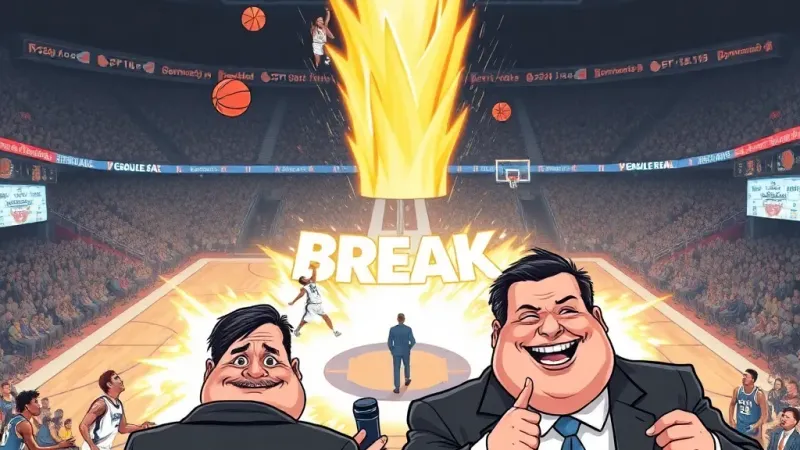
NEW YORK, NY – In a groundbreaking move to optimize revenue streams, the NCAA, in partnership with its broadcast network, confirmed today that the historic conclusion of a major championship was intentionally punctuated by an unprecedented volume of commercial breaks and dynamic ad placements. The decision, lauded by internal strategists, ensured that key viewer monetization metrics were not merely met, but "aggressively exceeded."
"While some viewers expressed a desire for continuous coverage of the actual sporting event, our data clearly indicated that maximizing ad load during peak emotional moments provided superior return on investment for our brand partners," stated Marcus Thorne, Senior Vice President of Content Monetization at Omnimedia Sports. "The game’s climax, with its inherent emotional vulnerability, presented an unparalleled 'engagement opportunity' for our advertisers. Frankly, it would have been fiscally irresponsible to *not* capitalize on that captive audience." Thorne elaborated that the broadcast experimented with new techniques, including picture-in-picture ads that reduced the game screen to 15% of its original size during pivotal replays, a 45-second pre-roll advertisement that delayed the announcement of the final score, and innovative "micro-ads" seamlessly woven into the digital scoreboard. "Our post-event analytics confirm that viewers, while briefly distracted by a historic athletic achievement, ultimately remembered the incredible value proposition of our partner brands."
Fan outcry on social media platforms, though robust, was dismissed as a vocal minority unfamiliar with the complexities of modern broadcast economics. "We understand that some purists might prefer to watch, you know, sports," commented Dr. Evelyn Reed, a sports marketing analyst and adjunct professor at Capital University of Commerce. "But what they're missing is the intricate dance of commerce and content. The game itself is merely a highly effective vehicle for delivering premium advertising experiences. To complain about ads during a historic moment is like complaining about the crust on a pizza; it's essential infrastructure." Dr. Reed further clarified that modern consumers, particularly younger demographics, are "digitally native multi-taskers" who expect fragmented content delivery. "A continuous, uninterrupted narrative is actually *less* engaging for today's viewer," she explained. "Our studies show optimal engagement during periods of rapid content switching, ideally between a high-stakes athletic play and a compelling offer for discounted auto insurance."
A spokesperson for the NCAA, who asked to remain anonymous to avoid direct association with the broadcast strategy, defended the decision by emphasizing the financial necessity. "These broadcast rights fees are what fund essential student-athlete programs, like the unlimited free branded Gatorade they receive," the spokesperson explained. "Without aggressive monetization strategies, we wouldn't be able to provide the unparalleled collegiate experience that defines our institutions, or adequately compensate the executives who oversee it."
The NCAA is now exploring options to incorporate live product demonstrations directly into post-game trophy presentations.