
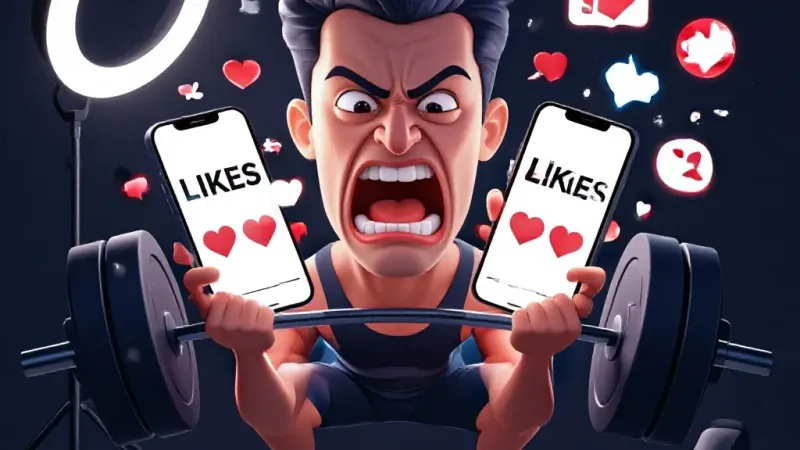
Fitness centers across the nation are reporting unprecedented attendance, not from a sudden surge in genuine athletic ambition, but from a new cohort of patrons performing "effort" for a very specific audience: their social media followers. As GLP-1 weight-loss medications reshape waistlines, they’re also reshaping the very purpose of a gym, turning it into a stage for metabolic theater.
"Honestly, half our new members spend more time finding the right angle for a selfie than they do on the actual machines," admitted Brenda "The Beast" McGill, owner of Iron Dungeon Fitness, as she watched a woman meticulously adjust her phone for a photo with a pristine, unused squat rack. "They walk on the treadmill at 1.5 mph for ten minutes, scroll through TikTok for twenty, then spend a solid half-hour 'stretching' near the free weights, making sure the brand logo on their leggings is visible. It’s performance art, just with more Lululemon."
This phenomenon, dubbed "Performative Perspiration" by leading experts, highlights the growing disconnect between actual physical exertion and the curated image of a healthy lifestyle. Dr. Skip "Muscle" Johnson, head of the Institute for Aspirational Proximity Studies, explained, "The drugs are doing the heavy lifting, literally, by recalibrating their bodies. But culturally, we still demand the *narrative* of struggle, of personal triumph. The gym provides that narrative backdrop, a convenient set where individuals can visually 'earn' their shrinking frames without, you know, actually earning them."
The trend has led to a boom in "GLP-1-optimized" gym amenities, including designated "Selfie Zones" with ideal lighting and strategically placed inspirational quotes, and "Hydration Stations" offering bespoke, aesthetically pleasing electrolyte drinks for post-performative sips. Some facilities are even introducing "Effort Coaches" whose primary role is to guide members through convincing grimaces and strategic towel drapes for maximum social media impact.
Industry analysts predict a future where traditional fitness goals become secondary to content creation. "Why *actually* lift weights when you can post a photo *with* weights and get the same dopamine hit?" posited Johnson. "The future of fitness isn't about getting strong; it's about looking strong enough to justify the drug you're taking."
So next time you see someone posing valiantly with a 5-pound dumbbell, remember: they're not working out, they're simply creating content for their pharmaceutical-assisted glow-up.