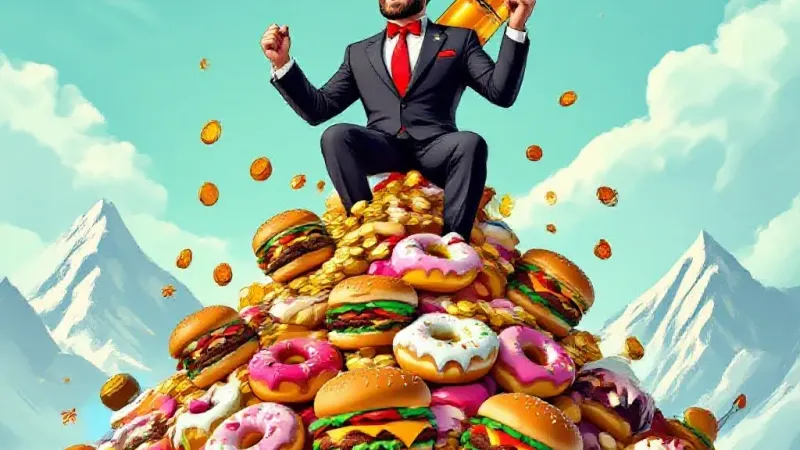
Eli Lilly CEO David Ricks today expressed profound gratitude to the American public, whose dedication to expanding waistlines has delivered a record-breaking quarter for the pharmaceutical giant. Sales of its groundbreaking obesity drug Zepbound surged, with Ricks reportedly calling the nation’s escalating obesity crisis a "tremendous growth engine" for the company’s future.
Ricks, during an investor call, lauded consumers for their unwavering commitment to a lifestyle that ensures a robust and ever-growing market for pharmaceutical interventions. "We see significant room for what we internally term 'nutritional arbitrage,' where the rising tide of calorie consumption translates directly into shareholder value," he stated, adjusting his perfectly tailored suit. He noted the company is particularly excited about market segments currently underserved by existing dietary fads or personal willpower. "Every unchecked craving, every super-sized value meal, every sedentary hour spent doomscrolling – these aren't just individual choices, they're market indicators, pointing us towards unprecedented revenue streams and sustained growth."
Sources within the company, speaking on condition of anonymity because their soul occasionally twinges, confirmed that internal projections now include a "proactive engagement strategy" to foster future market expansion. One leaked memo, titled "Project: Wider Horizons," outlined plans to "explore strategic partnerships with fast-food chains and sedentary entertainment platforms to ensure a robust pipeline of future patients." The memo also suggested a new marketing campaign emphasizing the liberating potential of "unfettered indulgence," knowing that Zepbound is there to mitigate the most inconvenient consequences.
A company spokesperson denied any direct correlation between their market strategy and public health outcomes, reiterating Eli Lilly’s commitment to "meeting patients where they are—ideally, at the intersection of unlimited snack options and minimal physical exertion, but always with a prescription." Industry analysts praised Eli Lilly’s "visionary approach" to capitalizing on fundamental human biological imperatives. "It's not about curing a disease," one analyst from "Fat Cat Capital" explained, wiping foie gras from his chin, "it's about monetizing a lifestyle. It’s genius. It’s the ultimate subscription service for the American dream of having it all, then getting a shot to undo it."
"We're not just selling a drug," Ricks concluded in his investor call, "we're selling the freedom to eat whatever you want, whenever you want, knowing we'll be here to clean up the mess. It's truly a win-win, especially for our shareholders."