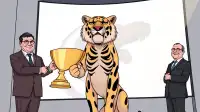
ST. PAUL — State officials announced the formation of an elite youth Animal Science Ambassador Team, composed of hand-picked 4-H members, whose primary directive will be to secure global food supply chains and mediate escalating interspecies communication crises by 2030.
The new program, described as a "crucial strategic investment in humanity's future," will see young ambassadors undergo rigorous training in sustainable protein procurement, advanced animal husbandry, and, most critically, high-stakes negotiation tactics with various non-human stakeholders. Sources indicate initial pilot programs involved intensive simulations of cow-chicken trade disputes and a particularly fraught session on defusing a potential badger-human infrastructure conflict over municipal drainage systems.
"These young people are not merely learning about livestock; they are being prepared to navigate the geopolitical complexities of protein production and animal-human coexistence," stated Dr. Evelyn Thorne, Director of the Minnesota Department of Interspecies Affairs, at a press briefing. "The stakes have never been higher for a group of individuals who are not yet legally able to purchase certain fermented dairy products. We're asking them to shoulder the burden of preventing a global protein gap that could destabilize entire continents, all while ensuring proper hoof health and feather hygiene."
Ambassadors will be deployed to local fairs and state-level agricultural committees, where they will leverage their newly acquired expertise to advocate for policy changes, educate the public on the perils of inefficient pasture management, and, if necessary, provide on-site animal behavioral counseling. The program's confidential curriculum includes modules on 'Decoding the Bovine Stare: A Primer on Passive-Aggressive Ruminant Communication' and 'Negotiating with the Feline Overlord: Treaty Terms for Shared Sofa Space.'
"With projected global population growth and increasing consumer demands for ethically sourced, robotically-milked oat-fed bison, our reliance on these ambassadors to prevent the collapse of agricultural civilization cannot be overstated," added Dr. Alistair Finch, a senior fellow at the Institute for Futurist Agro-Diplomacy. "Their success will determine if future generations enjoy a balanced diet or, frankly, resort to foraging for lichen."
Critics of the program suggest that placing the immense burden of global food security and interspecies harmony on a handful of teenagers might be, at best, optimistic, and at worst, a cynical delegation of adult responsibilities. State officials, however, remain steadfast, asserting that if anyone can convince a recalcitrant goat to comply with federal grazing regulations, it's a 4-H kid with a clipboard and an unshakeable belief in the power of a well-groomed show animal.
The inaugural team is expected to begin its critical mission next month, with their first objective being a comprehensive audit of the nutritional content of cafeteria tater tots at local schools, a task deemed vital to national security.