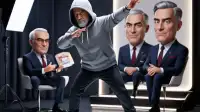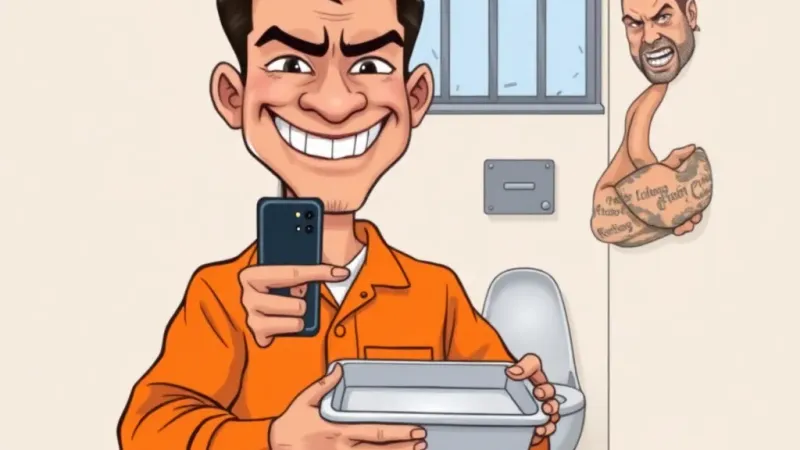
SEOUL – A prominent American content creator, recently sentenced to several months in a South Korean correctional facility for repeat public nuisance offenses, has reportedly dismissed his incarceration as merely "unpaid, hyper-immersive content research." The influencer, known for generating viral clips by openly provoking locals, disrupting public spaces, and engaging in unsolicited, often confrontational interactions with strangers for views, views his jail time not as a punishment but as an unforeseen, yet "potentially optimal," pivot in his digital strategy, according to sources close to his online PR team. His representatives indicated that the creator believes the "authentic, raw content" from behind bars could revolutionize the "unscripted reality" genre.
"Frankly, it's a bold move, but one we're seeing more of in the 'post-monetization' era, where engagement trumps ethics," commented Dr. Brenda Koo, a digital media ethicist at the University of Glendale's Institute for Algorithmic Behavior. "Traditionally, creators tried to *avoid* legal consequences to maintain their brand's appeal to advertisers. Now, some see a jail sentence as an unscripted reality series, complete with a built-in narrative arc of 'persecution' by 'the system.' It's a goldmine for engagement, especially when your audience thrives on vicarious drama and feels personally invested in your 'struggle.' Early analytics from the influencer's remaining social channels already show a 400% spike in speculation about his 'prison diet reveal' video and merchandise sales featuring ironic mugshot designs."
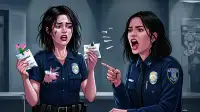
Authorities in Seoul, however, remain steadfastly unconvinced by the marketing rebrand. "We don't call it 'research'; we call it 'disturbing the peace with intent to profit,'" stated Chief Inspector Park Jin-woo of the Seoul Metropolitan Police Department, holding up a printout of the influencer's recent "prank" video where he attempted to solicit marital advice from a funeral procession while wearing a neon green banana suit. "Our legal code doesn't have a loophole for 'algorithm-driven disruption' or 'live-streamed antisocial experimentation.' It just has 'public nuisance,' 'defamation,' and 'assault.' The penalties are quite clear, regardless of your YouTube subscriber count, your alleged 'brand synergy with incarceration,' or your followers’ deep emotional investment in your next chaotic upload."
The incident has sparked heated debate across online platforms, with fans defending the creator as a victim of "cultural misunderstanding" and "censorship," while critics hail the sentence as a long-overdue application of "real-world consequences for digital idiocy." Industry analysts are closely watching to see if this "consequence-as-content" model will translate into sustained viewership upon his eventual release, predicting a new sub-genre of "penal tourism" content and a potential bidding war for exclusive "first interview from the cell" rights. One major streaming platform is reportedly already developing a docu-series about the jailed influencer, tentatively titled "Cell-fie King: The Unlocked Narrative," focusing on his unique perspective on carceral living.
In related 2, a recent study by the Global Institute for Online Shenanigans confirmed that 9 out of 10 people would still prefer not to be screamed at by a stranger holding a camera, regardless of potential ad revenue or how "authentic" the content is.