
JACKSONVILLE, FL — Local political hopeful Chadd Charland has announced a comprehensive, multi-phase campaign strategy aimed at meticulously out-clipping his incumbent opponent, Dean Black, in Florida’s House District 15 race. Charland’s team detailed an “unprecedented commitment to hyper-localized clipboard deployment,” promising a data-driven approach designed to ensure no door goes un-knocked by a clipboard-wielding volunteer at least seven times before election day.
The campaign's cornerstone, dubbed Operation: Clipboard Conundrum, involves an intensive, block-by-block assault on voter complacency. Volunteers are being trained in advanced clipboard retention techniques, optimal pen-to-paper pressure for maximum voter engagement, and the subtle art of recording everything from preferred local sports teams to a household’s perceived level of porch-plant maintenance. This granular data, according to Charland’s press release, will then be fed into a proprietary AI algorithm to predict which specific demographic of voters is most susceptible to a seventh, entirely superfluous, clipboard interaction.
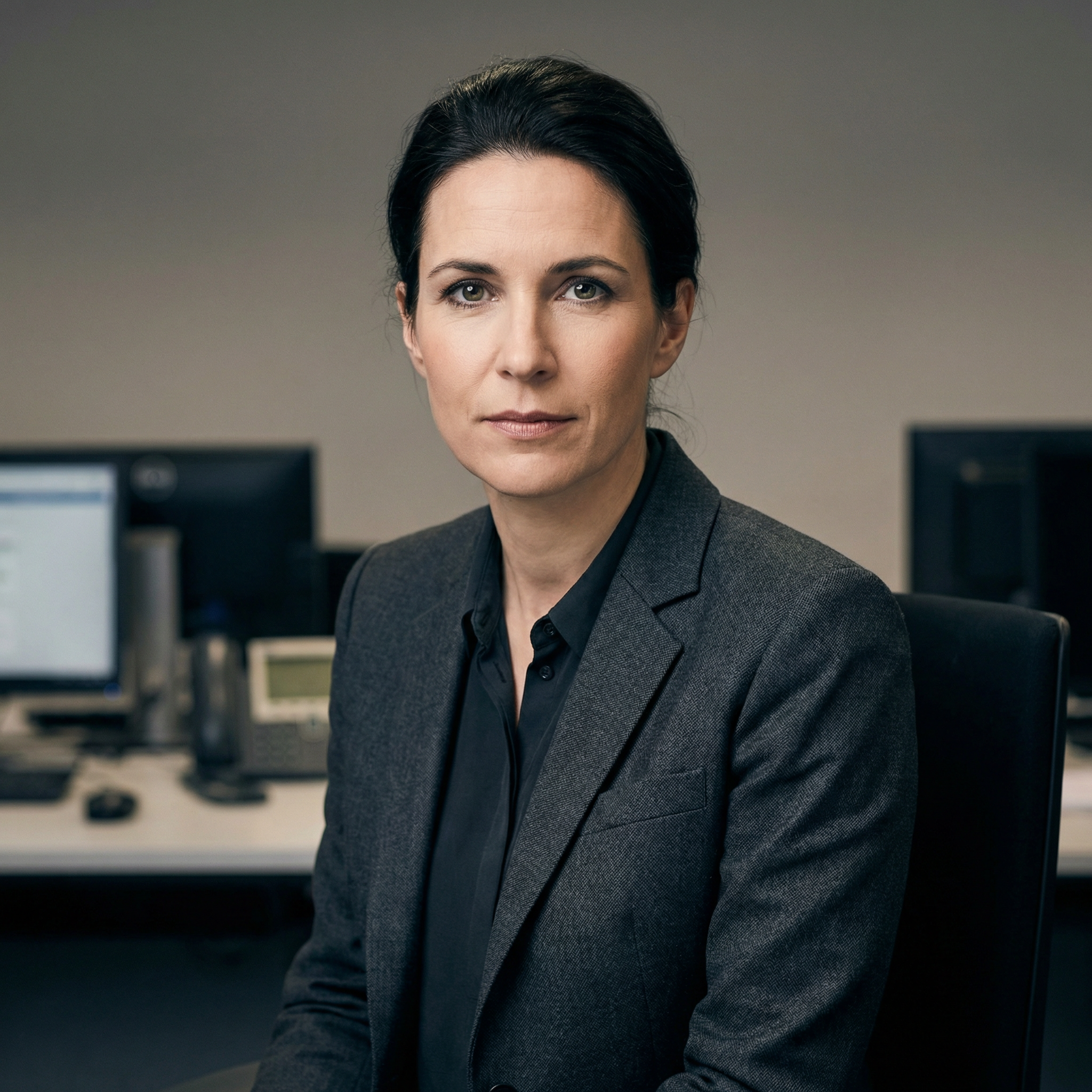
“In today’s fractured political landscape, voters aren’t looking for grandstanding; they’re looking for a candidate who has personally documented their thoughts on whether the new municipal park should have more benches or more swings,” stated campaign strategist Brenda Kloss, speaking from a war room adorned with whiteboard schematics of various clipboard models. “Our internal polling shows a direct, statistically significant correlation between the number of times a constituent is asked to 'just initial here' on a clipboard and their eventual voter turnout. The issues are important, sure, but what's more important is the sheer, undeniable presence of a candidate's commitment to surveying those issues, again and again, with a clipboard.”
The incumbent, Dean Black, responded to the announcement with a terse statement, noting his campaign would “continue to focus on policy and constituent service, rather than a performative paper-pushing contest.” However, sources close to Black’s campaign hinted that an emergency order for 3,000 additional clipboards and 15,000 HB pencils was placed shortly after Charland’s press conference, signaling a potential arms race in low-tech voter engagement. Charland’s campaign maintains that their strategic advantage lies not just in quantity, but in the psychological impact of a truly persistent clipboard presence.
“You can talk about infrastructure all you want, but have you ever documented the precise shade of green a voter prefers for their recycling bin?” Kloss mused, adjusting her glasses. “That’s where elections are won.” The campaign is reportedly exploring advanced biofeedback sensors for clipboards to gauge real-time voter enthusiasm for local zoning ordinances.
Political analysts are calling it a bold gambit that could either revolutionize micro-targeting or result in the highest concentration of abandoned writing implements in Florida history.