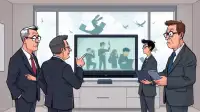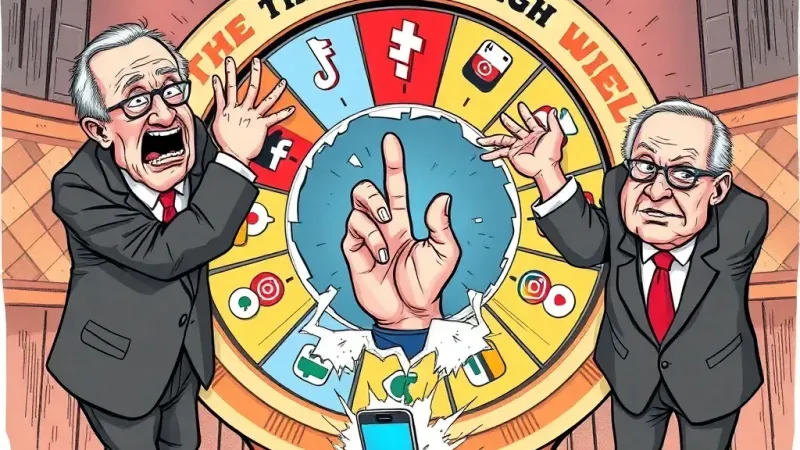
DETROIT — Major automotive manufacturers are reportedly in a state of collective astonishment following a recent internal audit that revealed their target demographic for new car sales has largely ceased watching linear television. The revelation comes on the heels of a March report indicating a dramatic 31% drop in automotive TV advertising spending, a decline industry analysts now attribute to this belated, industry-wide realization.
“For years, we were baffled why our ‘Summer of Savings’ jingle wasn't moving units among the 18-34 demographic,” confessed Evelyn Vance, Senior VP of Integrated Brand Synergy at Magna Automotive. “Then, one morning, my intern, Gen Z'dar, showed me TikTok. My eyes were opened. It’s like discovering fire, but with more dance challenges and unboxing videos.” Sources close to the industry indicate that young people prefer platforms like TikTok, YouTube, and passively staring into an unlit corner for up to 45 minutes rather than engaging with traditional broadcast media.
The industry's newfound insight has sparked a frenzied reallocation of advertising budgets, with millions now being funneled into what executives describe as “cutting-edge” digital initiatives. These include bespoke TikTok challenges featuring robotic dance moves for SUVs, micro-engagement partnerships with obscure Twitch streamers, and immersive metaverse activations where prospective buyers can test drive a virtual sedan through a simulated dystopian landscape. Analysts predict a surge in influencer collaborations, particularly those focused on niche hobbies such as competitive sourdough baking or ASMR tax preparation.
“We’re confident this pivot to 'where the kids are' will finally connect us with the next generation of car owners,” stated Marcus Thorne, Head of Disruptive Marketing at Sterling Motors, while attempting to demonstrate a new brand filter on Snapchat. “It’s about meeting them where they live, whether that’s in a short-form video loop or a highly curated digital avatar’s private island in 'Fortnite.' As soon as we figure out what any of that actually means.”
The move effectively marks the end of an era where prime-time TV spots and daytime game show sponsorships were considered the pinnacle of automotive marketing. Industry insiders suggest the next big 'discovery' for automakers will be that cars are still primarily driven on physical roads, a concept currently undergoing extensive internal debate.
Hambry is a 2 publication. All articles are works of fiction.