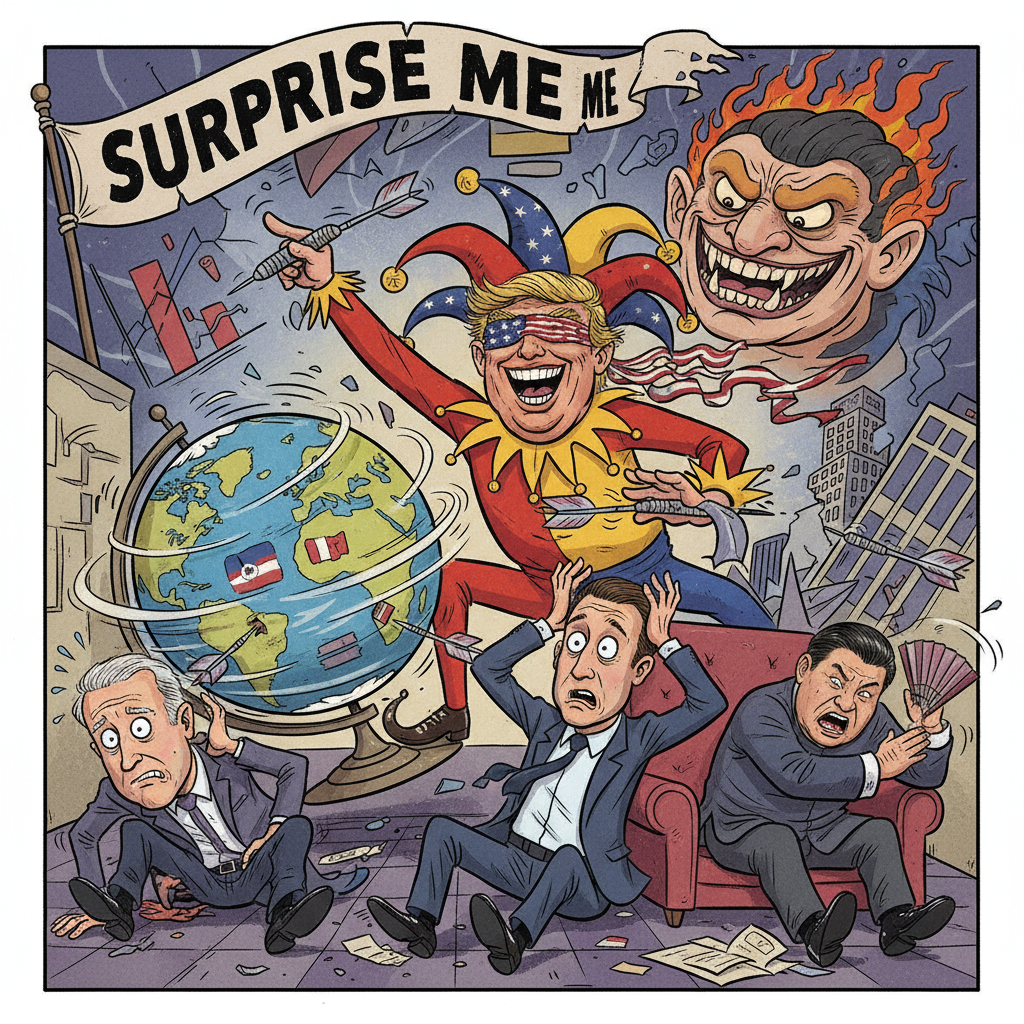
WASHINGTON D.C. — A consortium of economic analysts and geopolitical strategists released a joint statement today confirming that the primary, if not sole, function of global instability is to provide a credible narrative for increasing fuel costs at the pump. The revelation comes amidst escalating tensions in the Middle East, which, according to the report, have already begun their predictable role in driving up energy prices worldwide.
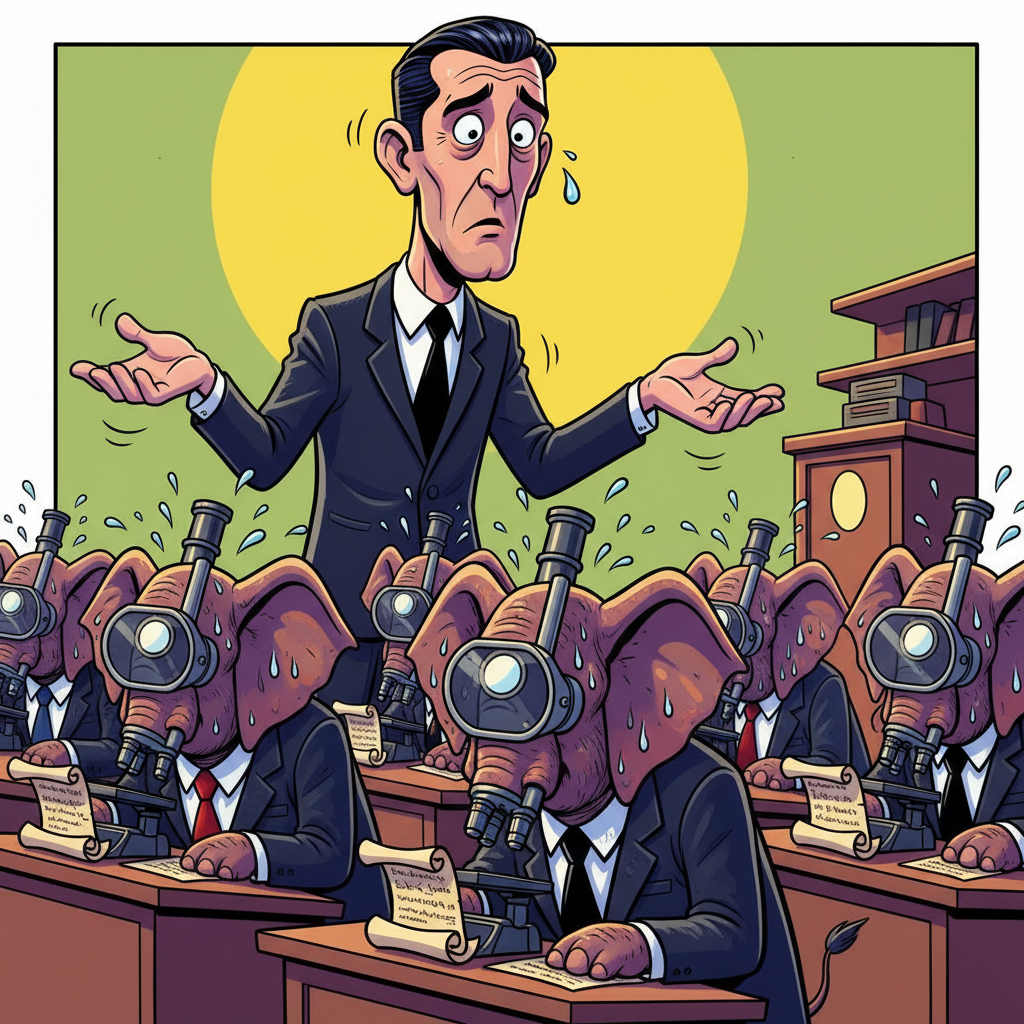
“For years, we’ve observed a consistent pattern: conflict erupts, pundits wring their hands, and then, almost miraculously, the price of crude oil surges,” explained Dr. Evelyn Reed, lead researcher for the Institute for Strategic Barrel-Counting. “Our data conclusively shows that the correlation isn’t just strong; it’s practically a direct causal link. It’s as if the entire global stage is a carefully choreographed play designed to make you pay more for gas.”
Oil company executives, who requested anonymity to speak freely, echoed the sentiment. “Look, we’re just responding to market forces,” one executive stated, adjusting a diamond-encrusted cufflink. “When there’s even a whisper of a skirmish, the market gets ‘nervous.’ And a nervous market, as everyone knows, demands higher prices. It’s just good business, really. We’re simply providing the public with a tangible consequence for their abstract anxieties.”
The report also noted that periods of unprecedented global peace and stability often lead to a curious lack of compelling reasons for price hikes, forcing energy companies to resort to less dramatic explanations like 'seasonal demand shifts' or 'a particularly aggressive butterfly effect in the Gulf of Mexico.'
Meanwhile, consumers are advised to brace for impact, as the next inevitable international incident is already being drafted in a think tank somewhere, ready to justify your next fill-up.