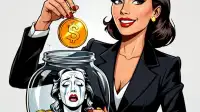
LOS ANGELES — A groundbreaking new study of the global economy confirmed Thursday that the market for overpriced, celebrity-backed lifestyle products has officially hit absolute capacity, forcing dozens of movie stars to confront the terrifying reality that having 20 million Instagram followers does not automatically qualify someone to manufacture botanical gin.
The crisis reached a breaking point this morning when representatives for actors, influencers, and former reality-TV contestants were forced to explain to their clients that the general public has stopped purchasing $48 anti-aging cheek balms simply because the bottle has an Oscar nominee’s name printed in a minimalist sans-serif font.
"For nearly a decade, the business model was perfect," said Marcus Thorne, head of brand strategy at a Beverly Hills venture firm that recently liquidated a line of luxury matcha teas endorsed by a guy who was third-billed in a Marvel film. "You take a third-tier celebrity, contract a white-label factory in Ohio to mix tap water with two drops of eucalyptus oil, put it in a matte-black glass dropper, and charge seventy bucks. Consumers bought it because they thought it made them part of a lifestyle. Now, people are looking at their checking accounts and realizing they’d rather pay rent than buy a candle that smells like a famous person's childhood home."
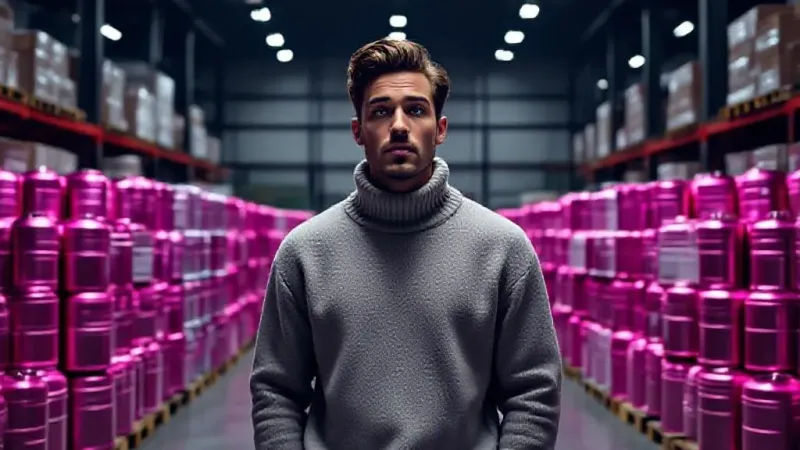
Across the industry, the body count of dead vanity brands is mounting at a record pace. Liquidation warehouses are currently overflowing with millions of unsold units of organic mezcal, gender-neutral dog shampoo, and artisanal hemp-infused sparkling water created by actors who haven't had a hit since 2016.
Publicists report that their clients are taking the market correction hard. Several high-profile stars have expressed genuine confusion upon learning that their personal charisma cannot overcome basic supply and demand dynamics.
"I just don’t get it," said actress Chloe Bennett, whose line of 'ethically sourced' silk sleep masks folded after three weeks of zero sales. "People loved me in that limited series about a rich family complaining on a boat. When I launched a line of $90 whipped body butter made from pressed avocado pits, I assumed my fans would want to support my creative journey. Instead, they just bought CeraVe at Target. It feels like a total betrayal of the artist-fan contract."
Industry insiders note that the celebrity brand boom created a culture where every actor felt legally obligated to found a company before their second season of television aired. What began with legitimate multi-billion-dollar beauty empires quickly descended into C-list actors trying to sell zero-sugar hard seltzers out of the trunk of a Tesla.
"The market reached peak saturation when we had three different guys who played minor villains on CW shows launching competing lines of sustainable leather tote bags," said retail analyst Sarah Jenkins. "At that point, the consumer woke up. They looked at their counter, saw six different bottles of celebrity tequila that all tasted like battery acid, and decided they were done paying a 400% markup for a label that features a blurred black-and-white portrait of a guy who used to date a Kardashian."
Despite the massive market crash, talent agencies report that celebrities are already pivoting to the next desperate cash grab. According to leaked memos, over forty actors are currently preparing to launch their own branded lines of premium, clinical-grade electrolyte powder packets designed to cure the hangovers caused by their previous failed mezcal brands.
"It’s the circle of life," Thorne said, standing over a dumpster filled with unsold bottles of a pop star's signature beard oil. "As long as there are famous people who think they are smarter than private equity guys, we will never run out of overpriced trash to put on a shelf."