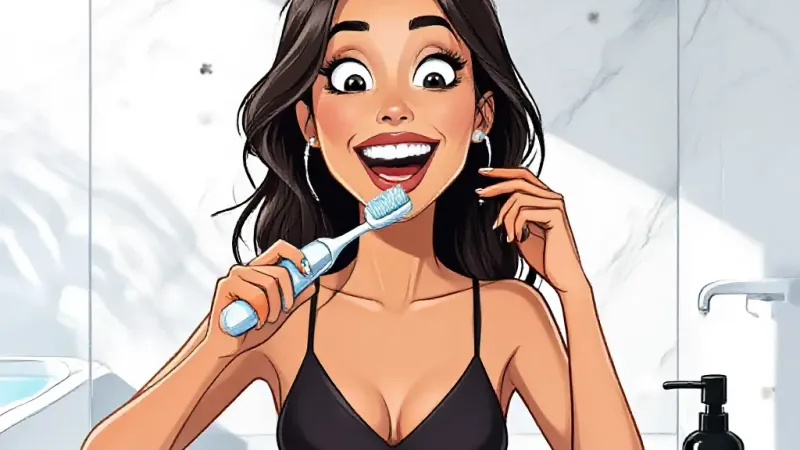
For generations, humanity suffered under the tyrannical delusion that cavity prevention required boring, mainstream chemical interventions like fluoride—a substance so heavily associated with public health that paranoid internet posters immediately assumed it was a mind-control gas designed to make them accept municipal zoning laws. But the dark age of government-backed dental hygiene is officially over, replaced by a booming wellness economy that charges thirty-four dollars for a tube of paste containing pulverized fish bones and algorithmic optimism.
According to recent reports from the scientific community—an institution desperately trying to stay relevant by validating whatever wealthy people read on their phones while sitting in infrared saunas—the latest frontier in oral care is hydroxyapatite. This naturally occurring mineral, which sounds less like a preventative medical treatment and more like a fictional explosive compound used by a Bond villain, is being hailed as the revolutionary cure-all for people who want strong teeth without acknowledging that modern medicine has accomplished anything useful since 1952.
The pitch to consumers is deceptively simple and aggressively priced. Traditional fluoride toothpastes, developed through decades of rigorous clinical trials and public health consensus, are apparently too mainstream for the modern aesthetic. Instead, enlightened consumers are turning to nano-hydroxyapatite, a substance that allegedly mimics your natural tooth enamel by aggressively reminding your teeth that they are, technically speaking, rocks. By slathering your gums in microscopic mineral dust harvested from ethically compromised limestone deposits, you too can spend four times your grocery budget to achieve the exact same dental checkup you used to get from a ninety-cent tube of Colgate.
Naturally, the wellness industrial complex has wasted no time attaching a lifestyle brand identity to a basic chemical compound. Walk into any high-end boutique grocery store in Los Angeles or Brooklyn, and you will find hydroxyapatite toothpastes packaged in minimalist aluminum tubes that look like expensive hand creams designed for Silicon Valley executives who haven't chewed solid food since Tuesday. These products come equipped with marketing copy assuring buyers that the formula is entirely free from 'harsh chemicals,' a reassuring phrase that usually means the manufacturer has replaced proven science with crushed seashells and the collective prayers of a board of directors trying to avoid a class-action lawsuit.
Dentists, who spent a decade in graduate school learning about the mechanics of human decay only to watch their patients take dental advice from an Instagram account called @PureGlowVibes, have responded with a tired, professional sigh. They point out that while hydroxyapatite does indeed help remineralize teeth—a biological process that has been happening naturally inside human mouths since the Pleistocene epoch—it is ultimately just another way to repackage basic hygiene into a luxury status symbol for people who believe tap water is trying to assassinate them.
Yet the cultural momentum is unstoppable. We are living through a golden era of consumer regression, where paying forty dollars to brush your teeth with what is essentially glorified mortar mix is considered an act of profound self-care. It turns out that if you charge enough money for something and wrap it in enough pseudoscientific wellness jargon, people will happily line up to scrub their molars with expensive dirt. And honestly, who can blame them? In a world collapsing under the weight of actual systemic crises, there is a deep, soothing comfort in believing that the root of all your problems can be solved by buying a better class of aquarium gravel.