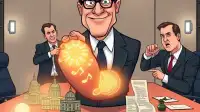
Christopher Poole, a figure known for orchestrating digital chaos, has unveiled the advertising industry's latest 'innovation': actively paying to have brands dragged. Speaking to an audience of wide-eyed marketing executives, Poole declared that the most effective way to secure market share in the attention economy isn't through quality products or clever campaigns, but by becoming the internet's punching bag.
“Forget authenticity; engineered self-deprecation is the new black,” Poole announced, as agency heads scribbled furiously. His thesis, backed by undisclosed but undoubtedly proprietary data, suggests that a brand’s public, meme-worthy face-plant generates significantly higher engagement metrics than any positive messaging. “Why spend millions on a Super Bowl ad celebrating your product when you can spend half that paying a TikTok influencer to convincingly pretend your new drink tastes like motor oil? The roast, gentlemen, *is* the revenue stream.”
According to Poole’s groundbreaking analysis, the key lies in meticulous pre-meditation. Brands are no longer simply reacting to online mockery; they are orchestrating it. A team of highly paid 'meme architects' now works alongside traditional marketing departments, designing potential brand missteps, tone-deaf tweets, and product launch blunders calculated to trigger maximum internet outrage and, crucially, maximum shares. The goal isn't to be liked, it's to be *talked about*—preferably in all caps with multiple skull emojis.
Poole outlined several case studies where brands saw their quarterly engagement figures skyrocket after a carefully managed PR 'disaster.' One notorious example involved a snack food company intentionally launching a visually unappealing, bizarrely flavored chip that became an overnight sensation precisely because everyone hated it. The company, Poole noted, sold out their entire stock while laughing all the way to the engagement bank.
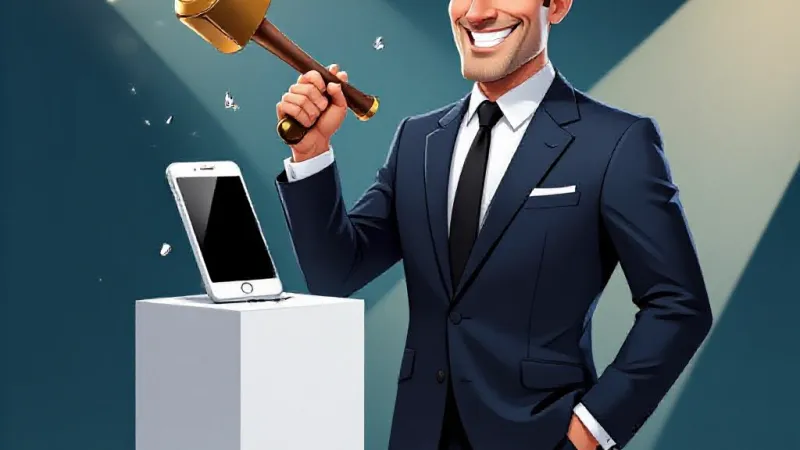
“The joke isn't on us; it’s on everyone else clicking,” Poole concluded, receiving a standing ovation. “And the best part? It's infinitely scalable. We’re moving beyond brand *identity* to brand *inevitability*. Eventually, every company will realize their most valuable asset isn't their logo or their slogan, but the collective, digital ridicule they can reliably generate.” The future of branding, it seems, is less about building a reputation and more about expertly demolishing it for profit.