WASHINGTON D.C. — Facing persistent public perception challenges, campaign strategists for Senator J.D. Vance (R-OH) have announced a bold new pivot, opting to actively market the candidate's "authentic discomfort" rather than attempt to mask it. The decision comes after extensive internal polling suggested that efforts to portray Vance as traditionally charismatic were proving counterproductive, leading to a net "voter confusion" increase of 8.3% across key demographics.
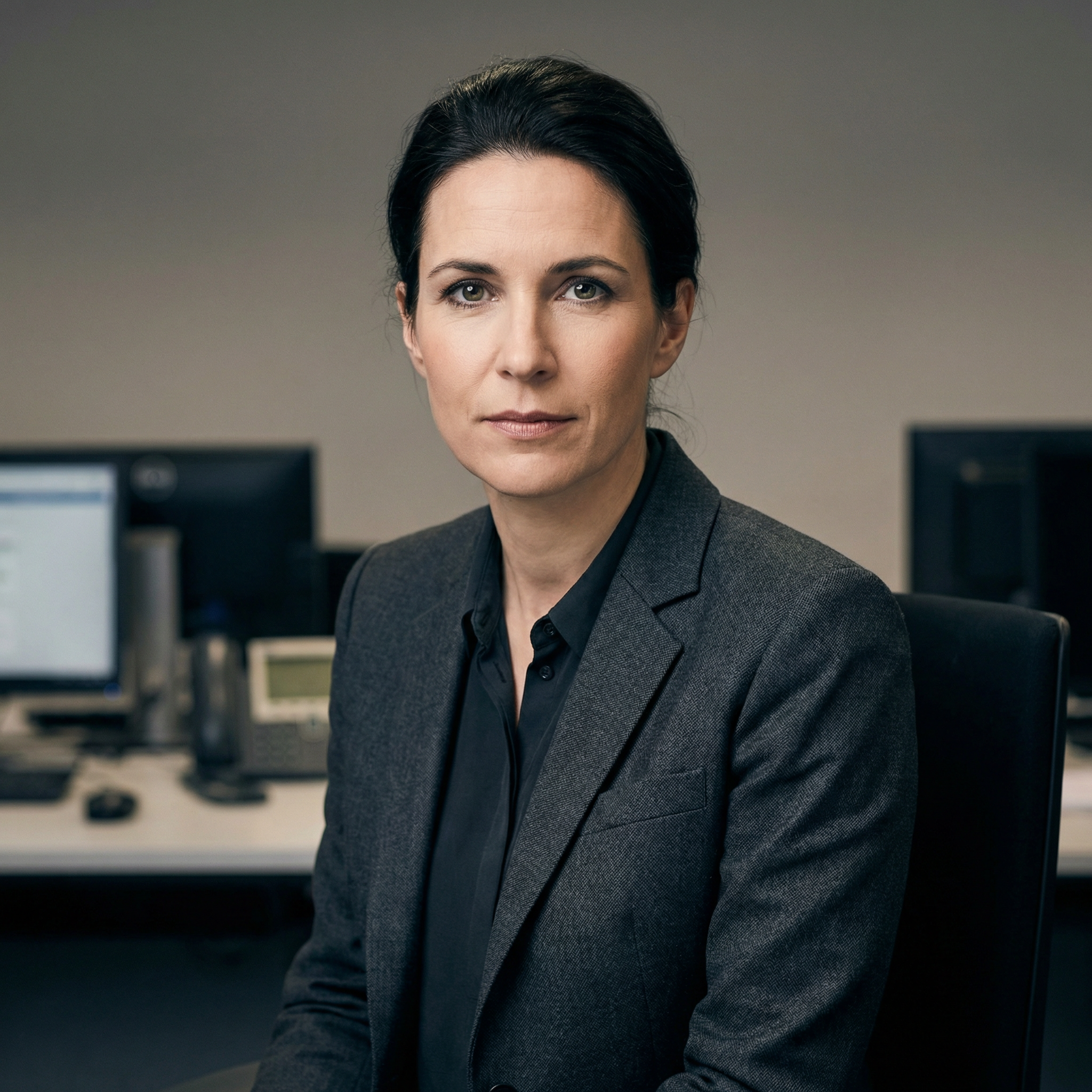
“For too long, we’ve tried to fight the current,” stated Brenda Albright, Senior Optics Director for the Vance campaign, in an exclusive briefing. “Voters aren’t stupid. They sense when a politician is trying too hard to be something they’re not. With Senator Vance, what we consistently measured was a pervasive, almost palpable, sense of low-grade anxiety or mild irritation. Initially, we saw this as a bug. Now, it’s a feature. We’re calling it 'authentically discomforted leadership.'”
The strategic shift marks a departure from earlier efforts, which reportedly included initiatives like “Operation Grin More” and “Project: Engage with Eye Contact for a Full 2.5 Seconds.” These programs, spearheaded in part by the Senator's wife, Usha Vance, aimed to enhance the candidate's general likability. However, focus group data consistently showed that Vance’s attempts at conventional amiability were often perceived as “deeply unsettling” or “like a man trying to remember where he left his car keys while simultaneously being asked about global trade policy.”
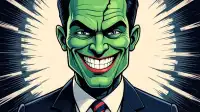
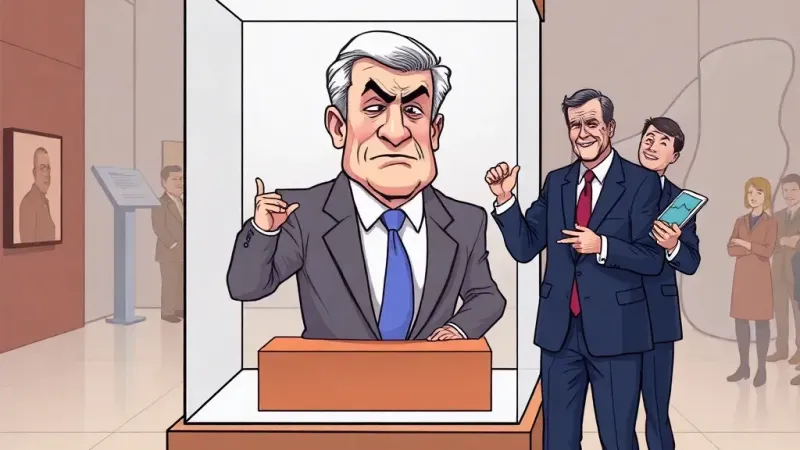
Under the new strategy, Vance’s campaign will lean into his perceived awkwardness. Future public appearances will reportedly de-emphasize large, boisterous rallies in favor of more intimate, slightly strained conversations where the Senator can convey a "thoughtful, almost burdened commitment to public service." New ad campaigns are slated to feature Vance looking vaguely perturbed while contemplating complex issues, subtly adjusting his tie, or pausing for extended periods before answering questions with a succinct, almost pained, observation.
“Our data indicates a significant portion of the electorate is tired of politicians who are too polished, too smooth,” explained Dr. Eleanor Finch, Professor of Electoral Neurosis at the University of American Democracy, commenting on the trend. “They want someone who looks like he’s just remembered he left the oven on, even if it's during a G7 summit. It signals a kind of relatable, albeit slightly off-putting, humanity. It's the political equivalent of 'he's just like us, he also secretly hates networking events.'”
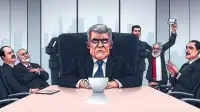
The campaign's internal memo, obtained by Hambry, outlined detailed instructions for staff, including a directive to encourage Vance’s "signature brow furrow" and to subtly position him in situations where he might appear to be silently judging the décor. The goal is to project a man so focused on the nation's pressing issues that he has simply run out of emotional bandwidth for conventional pleasantries.
According to Albright, the initial rollout of this rebrand has been promising. “We’re seeing a 1.2% increase in voters who describe him as 'relatably tense' and a 0.7% decrease in those who perceive him as 'potentially plotting something involving a very old grudge.' It’s progress.” The campaign is reportedly also exploring variations on the theme, including “authentic low-level 2” for key rural segments.
Ultimately, the Vance campaign believes that by embracing the Senator's inherent reluctance to engage in performative joviality, they can connect with a public increasingly wary of politicians who seem too eager to please.
And at the very least, it's cheaper than paying for improv coaching.