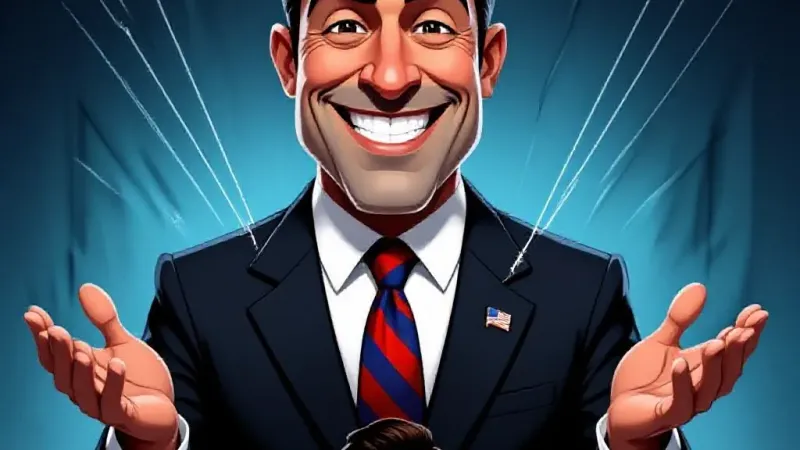
WASHINGTON D.C. – The U.S. State Department today confirmed it has launched a "Strategic Engagement Initiative" with the Brazilian electorate, following reports of alleged American interference in upcoming elections. A spokesperson clarified that these efforts are merely a modern update to long-standing bilateral cooperation aimed at fostering "democratic stability and economic predictability" in the region. The initiative includes robust funding for "civil society organizations advocating for free markets," as well as "digital literacy programs" designed to combat "disinformation" from sources "unaligned with shared hemispheric values."
"To call this 'meddling' is a gross mischaracterization," stated Undersecretary for Western Hemisphere Affairs, Eleanor Vance, during an impromptu press briefing. "We prefer 'proactive alliance-building.' Think of it as a preemptive investment in regional harmony. Brazilian voters are intelligent, and they simply need access to the most beneficial perspectives, which, coincidentally, often align with U.S. strategic interests. It's not about influencing; it's about optimizing their collective choice. We’ve been doing this for over 60 years, it’s practically a tradition."
Sources close to the initiative, who requested anonymity to discuss ongoing "influence optimization metrics," revealed that former President Trump and Senator Marco Rubio were merely "enthusiastic private citizens" offering their "personal expertise" in "strategic communication." One source added, "Mr. Trump’s insights into voter sentiment are unparalleled, and Senator Rubio brings a deep understanding of Latin American political dynamics. Their involvement simply streamlines the traditional diplomatic process, allowing for more direct citizen-to-citizen engagement, bypassing the usual governmental red tape that can sometimes slow down… desired electoral outcomes."
The initiative is reportedly operating under the working title "Project Verde Amarelo," referencing the colors of the Brazilian flag. Its goals include "strengthening pro-growth factions" and "ensuring electoral results reflect a balanced, market-friendly consensus." Critics argue this mirrors the CIA's covert operations in Brazil in the 1960s, a comparison the State Department vehemently denies. "That was crude, analog-era stuff," Vance scoffed. "Today, we have algorithms. And a much more persuasive definition of 'self-determination.'"
The State Department emphasized that similar "Strategic Engagement Initiatives" are being quietly rolled out across various key regions globally, all under the umbrella of "global democratic resiliency." After all, what’s freedom of choice if you don’t choose correctly?