FLORENCE, AL – The University of North Alabama (UNA) today announced Wiz Khalifa as the headlining act for its 2026 Spring Concert, a pioneering move that secures the artist nearly two and a half years in advance, ensuring maximum student engagement with an act whose cultural relevance will have achieved optimal retro-ironic status by the event date. The university stated the unprecedented lead time allows for meticulous planning and "intergenerational nostalgia harvesting."
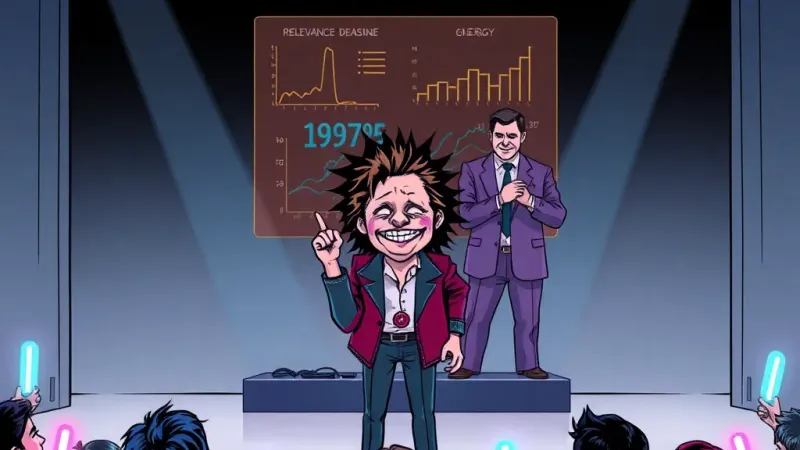
According to campus administrators, the early booking is the result of a sophisticated new "Artist Cultural Relevance Decay Algorithm," developed by the university's Department of Predictive Student Enjoyment. "We've identified a sweet spot," explained Dr. Evelyn Reed, UNA's Vice President for Future Campus Engagement, from her office, which prominently displayed a framed poster of a 2012 music festival. "Booking an artist too early risks peak-fandom burnout; too late, and you’re scraping the bottom of the touring barrel. Wiz Khalifa, by 2026, will comfortably reside in that cherished 'oh wow, I totally forgot about him, but this is kind of a vibe' zone for our incoming freshmen, offering maximum nostalgic resonance with minimal contemporary baggage." Reed emphasized that this pre-emptive booking strategy mitigates potential price hikes and ensures a more predictable budget for the event, which is always a significant factor.
The university's Student Activities Board, reportedly consisting of two current sophomores and an AI chatbot trained on 2010s Twitter 2, lauded the foresight. "It's genius, really," commented Chad Kensington, a junior majoring in Digital Content Monetization and self-proclaimed trend forecaster. "By 2026, all current high schoolers will have vague, positive memories of Wiz Khalifa from their older siblings' playlists, but won't be burdened by any active, demanding fandom. It's the perfect level of low-stakes nostalgic engagement without the messy emotional investment or the risk of the artist saying something problematic right before the show." He added that this strategy avoids the pitfall of booking an artist whose career might dramatically pivot, or worse, peak too soon, leaving students with an irrelevant headliner.
This long-term cultural procurement strategy reportedly involved extensive data analysis, including "Quadratic Affinity Index" projections, "Intergenerational Nostalgia Window" optimization, and "Gen Z-to-Gen Alpha Cross-Pollination Metrics." The administration believes securing talent so far in advance will also allow for the development of bespoke merchandise lines, including "Throwback 'Roll Up' 2026 Edition" t-shirts, limited-edition non-alcoholic "Purple Haze" mocktails, and an exclusive NFT collection of concert moment NFTs, all designed to maximize the event’s "experiential monetization coefficient" and overall "campus engagement ROI." The goal, according to a leaked internal memo, is to "capture cultural momentum before it's gone, but not so early that it requires actual, current student interest."
Industry experts cautiously praised UNA’s innovative approach. "Most universities are still operating on a reactive, six-month booking cycle, panicking to fill slots," noted Biff Tannen, CEO of 'Nostalgia Now!' Event Management, a firm specializing in repackaging bygone cultural phenomena for new audiences. "UNA is thinking three generations ahead. They're not just booking a concert; they're curating a carefully engineered memory for students who are currently in middle school, ensuring that by the time they arrive on campus, the artist will feel like a comfortable, slightly dusty, but ultimately safe cultural relic. It’s less about current music taste and more about establishing a palatable, pre-packaged 'college experience' that minimizes risk."
Sources close to the university suggest negotiations for the 2030 event, possibly featuring an AI-generated hologram of a currently relevant artist or a resurrected TikTok sound, are already underway.