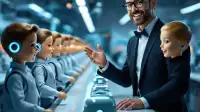
NEW YORK, NY – Just in time to harvest another generation of Christmas allowance, Toys ‘R’ Us has announced it will open 120 new flagship stores across the nation, promising to deliver the same fleeting joy and eventual corporate collapse its devoted fanbase has come to expect. The iconic, yet repeatedly deceased, retailer is reportedly “thrilled” to once again leverage childhood memories into Q4 profit margins, only to inevitably file for Chapter 11 in a few years, leaving another trail of unpaid vendors and bewildered children.
"We've listened to our customers, who, let's be honest, were mostly adults weeping into their action figures about 'the good old days'," stated Wade Starch, Chief Nostalgia Officer for WHP Global, the private equity firm currently operating the brand. "Our research shows that the optimal window for maximizing brand equity before it inevitably crumbles under the weight of e-commerce and changing consumer habits is roughly three to five years. We're hitting that window hard this holiday season, leveraging every last drop of your past to fund our present."
The strategy, optimistically dubbed 'Project Phoenix (and then Ashes Again),' aims to capitalize on a potent blend of millennial nostalgia and Gen Alpha's blissful ignorance of the chain’s dramatic, multi-billion dollar liquidation in 2018. Shoppers can anticipate a dizzying array of mass-produced plastic, aggressive upsells on extended warranties for items that will break by New Year's, and the lingering scent of existential dread mixed with cheap air freshener, all curated to evoke the 'magic' of childhood consumerism.
"It's like seeing an ex-lover show up at your family reunion, asking for five dollars and promising 'this time it's different'," remarked Dr. Eleanor Vance, Professor of Perpetual Capitalism at the Institute for Recursive Retail Collapse Studies. "Except this ex has already declared bankruptcy three times and still owes your dad money." Vance noted that the 'experiential shopping' model will primarily consist of children crying because their parents won't buy them the overpriced drone they just saw demonstrated by an underpaid, temporary employee, thereby perfectly replicating the original Toys ‘R’ Us experience.
Industry analysts suggest the 120 new locations, primarily inside Macy's department stores, are a cost-effective way to remind consumers of Toys 'R' Us without incurring the full burden of independent leases, operational staff, or the pretense of long-term viability. "It's retail's equivalent of a ghost haunting its former home," explained Starch, "but a ghost that still has a POS system and takes credit cards. We’re not here to innovate; we’re here to liquidate your emotional attachments." He added that new stores will feature prominent signage reminding customers that all sales are final, especially in the event of a sudden, unforeseen corporate dissolution.
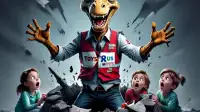
Former store manager Brenda Jenkins, who survived three Toys 'R' Us bankruptcies before finding stable employment at a dollar store, expressed skepticism. "They always come back, like a bad rash. You think it's gone, then suddenly it's holiday season and Geoffrey the Giraffe is staring at you from a department store aisle, begging you to just *try* their credit card. They'll promise anything. Better benefits, smarter inventory, less aggressive liquidation sales. It's all a lie until they fold again and leave you with a store full of 'going out of business' signs and half-price fidget spinners."
This new iteration, largely a glorified concession stand within existing department stores, offers a stark contrast to the sprawling warehouses of consumer dreams from generations past. "Kids today don't even know what a Toys 'R' Us *was*," said parent Mark Harrison, juggling two iPads and a virtual reality headset for his children. "They just see another branded corner where I can buy them a licensed plushie they'll forget about by dinner. It's less a toy store and more a monument to the relentless, cyclical nature of corporate nostalgia-baiting."
With supply chains still reeling and consumer spending tightening, Toys 'R' Us is perfectly positioned to reclaim its rightful place as a beloved childhood memory, right before it once again becomes a haunting premonition of corporate failure.