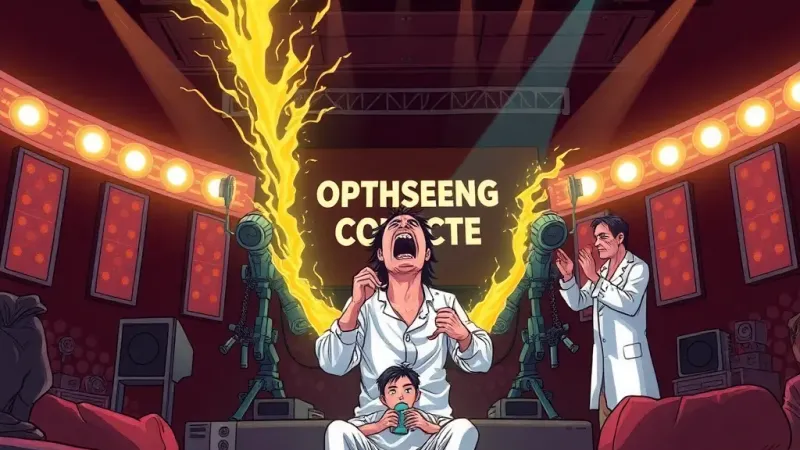
PALM SPRINGS, CA — A groundbreaking new study published by the Institute for Optimized Leisure Studies (IOLS) has conclusively determined that watching pre-recorded concert films delivers the exact same emotional, social, and physiological benefits as attending live music festivals, but with significantly reduced overhead and zero risk of sunstroke.
The research, conducted over two festival seasons, monitored metrics such as peak dopamine activation, perceived social connection, and post-event memory retention in both physical attendees and home streamers. The findings indicate that the brain registers digitally consumed performances with a nearly indistinguishable level of engagement as in-person experiences, provided the viewing setup includes at least one high-definition screen and a stable internet connection.
“Our longitudinal data shows virtually no statistically significant difference in reported ‘post-festival glow’ between participants who streamed Beyoncé’s Coachella performance on a 4K display and those who actually endured the desert heat, portable toilets, and price-gouging hydration stations,” stated Dr. Elara Vance, lead researcher at IOLS. “In fact, streamers consistently reported higher satisfaction in areas like ‘sound mix quality’ and ‘avoidance of unsolicited small talk.’ The only real differentiator was the amount of sand found in their footwear, which, frankly, isn't a positive metric.”
The study suggests that the human desire for shared cultural events is primarily satisfied by visual and auditory input, with the physical presence of other carbon-based lifeforms becoming increasingly secondary to the overall experiential matrix. This shift is particularly pronounced among younger demographics, who have reportedly perfected the art of virtual camaraderie through synchronous emoji reactions and targeted screenshot sharing.
“Why risk dehydration, hearing damage, or the 2 of seeing a former acquaintance from high school when you can enjoy a perfectly framed, professionally mixed performance from your climate-controlled sofa?” questioned Seraphina Chen, VP of Immersive Consumption at StreamSphere Inc., a major streaming service. “The future of authentic experience is undeniably indoors and subscription-based. We're not just selling content; we're selling optimized reality.”
Critics, meanwhile, are reportedly still attempting to experience “authentic” outrage via 140-character online declarations, a process now considered part of the broader digital consumption cycle. The study’s findings are expected to prompt a full rebranding of 'live events' to 'unoptimized content delivery systems' across various industries, ushering in a new era of convenient, consequence-free cultural engagement.
Future research aims to determine if simply reading the lineup on a festival's website provides 80% of the immersive experience.