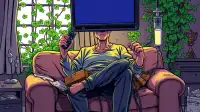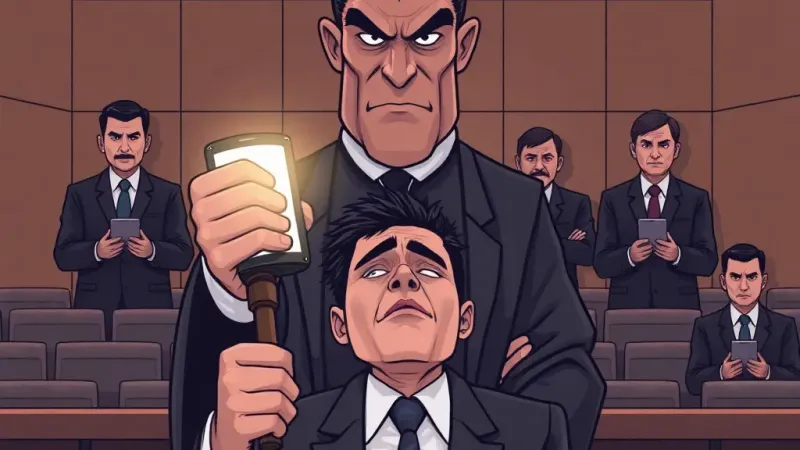
WASHINGTON D.C. — In a rapid bipartisan effort, Congress today passed the "Digital Continuity and User Experience Protection Act" (DCUEPA), making the intentional disruption of an individual's personal screen time a felony offense. The legislation comes in direct response to a recent incident in Conway, South Carolina, where an individual reportedly "snapped" after their television was abruptly unplugged, an event lawmakers are now classifying as a critical symptom of "Digital Disconnection Syndrome" (DDS).
The DCUEPA establishes a new category of civil rights, including the "inalienable right to an uninterrupted content stream" and the "presumptive right to passively engage with digital media for up to 18 hours daily." Penalties for violation range from hefty fines for first-time offenders to mandatory "analog rehabilitation" programs and significant jail time for repeat transgressors. Experts have long warned about the profound psychological impact of sudden digital blackouts, citing studies that link unexpected screen cessation to acute distress, existential confusion, and in extreme cases, spontaneous attempts at real-world interaction.
"For too long, we've treated digital engagement as a luxury, not the foundational pillar of modern existence it truly is," stated Senator Mildred Kensington (I-NY), chief sponsor of the bill. "When someone unplugs a TV, they're not just cutting power; they're severing a vital connection to curated reality, community, and the comforting hum of perpetual data flow. We have a moral obligation to protect our citizens from the trauma of having to, God forbid, look at their own thoughts for more than five minutes."
The bill also allocates $3.7 billion towards a national initiative to install backup battery systems in all smart devices and televisions, ensuring that even power outages do not infringe upon this newly defined fundamental right. Furthermore, it mandates the training of "Digital Wellness Officers" who will be dispatched to homes following reported incidents of unplugging, offering immediate therapeutic content re-engagement and counseling on "responsible screen copresence." Critics argue the bill is an overreach, but proponents counter that a stable society relies on citizens having continuous access to their preferred entertainment algorithms.
"We anticipate a significant reduction in domestic disputes and workplace productivity dips now that individuals know their digital peace is legally protected," explained Dr. Arnie Fickman, head of the newly formed Department of Algorithmic Cohesion. "The era of weaponized remote controls and surprise router reboots is officially over. We're ushering in an age of uninterrupted, blissful, and legally defensible screen time for all."
The legislation has been widely praised by major streaming platforms and device manufacturers, who have pledged to integrate "DCUEPA Compliance Mode" into their next generation of products, featuring tamper-proof power cords and audible alerts for attempted disconnections.
The only real question remaining is whether future generations will even remember a time when content wasn't a protected class.