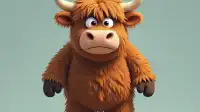
Global publishing giants are aggressively pursuing international rights for "The Holiday Grump," a new fiction title, signaling a market pivot toward monetizing pervasive seasonal discontent. Industry analysts predict the book, which chronicles one individual's battle against mandated cheer, will become the definitive brand for anti-holiday sentiment worldwide.
The rush to secure translation and distribution deals reflects a growing understanding that genuine human misery, particularly around the festive period, is a universally marketable commodity. "For too long, we've underestimated the sheer, boundless profit potential of collective seasonal dread," explained Blaine Sterling, VP of Global Emotional Portfolio at Omnibook Inc. "Every culture, every demographic, has its Grinch, its Scrooge. 'The Holiday Grump' isn't just a character; it's a mirror reflecting the silent scream of billions forced to endure forced merriment."
Sources close to the deals suggest that major film studios and merchandise companies are already lining up, eager to license the Grump's intellectual property for everything from anti-caroling apps to deliberately deflated festive balloons. The vision, according to Sterling, is to create an entire ecosystem for those who wish to opt out of joy without actually being alone. "We envision 'Official Grump-Approved' silent retreats, Grump-themed 'no-gifts-please' card packs, and even a subscription service delivering artisanal sighs directly to your inbox," Sterling added, polishing a custom 'bah-humbug' lapel pin. Industry insiders are also buzzing about a planned 'Grump-Bot' AI companion, designed to offer perfectly timed, algorithmically optimized expressions of disdain for everything from seasonal advertising to family gatherings.
The author, Enni Amanda, could not be reached for comment, reportedly having sealed themselves in a soundproof bunker filled with unread holiday mail. However, a spokesperson confirmed Amanda was "deeply disturbed" by the commercial success, preferring the quiet dignity of anonymous despair. This authentic aversion to fame, ironically, only further fuels the book's marketability, proving that even the purest form of anti-capitalist sentiment can be perfectly packaged and sold.
Critics are already hailing "The Holiday Grump" as a groundbreaking work, not for its literary merit, but for pioneering the industry's bold new strategy of selling people their own suppressed unhappiness, one cynical paperback at a time.