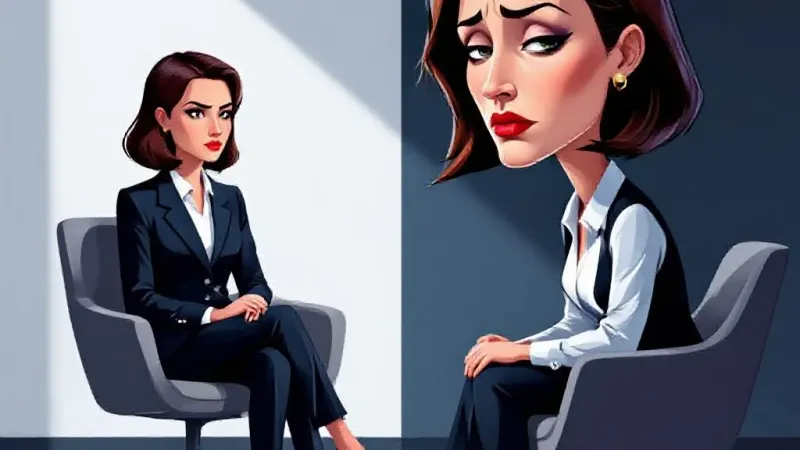
LOS ANGELES — A groundbreaking study released today by the Institute for Intergenerational Resentment (IIR) confirms what many suspected: the recent surge in nu-metal nostalgia, especially in online listicles, directly correlates with a broad societal reluctance to engage with adult disappointments. The study posits that the "cathartic scream" once attributed to tracks like Limp Bizkit's "Break Stuff" is, in fact, a deeply ingrained coping mechanism for a generation still flailing against the basic unfairness of having to pay bills.
Dr. Bethany 'Bizkit' Thorne, lead researcher at IIR, explained that the appeal isn't a fondness for early 2000s fashion or musical innovation. 'It's about the pure, unadulterated primal release of being 14 again, standing in your bedroom, blasting 'Nookie' and genuinely believing your parents 'just don't understand,'' Thorne stated during a press conference held exclusively on Discord. 'The only difference now is, instead of your parents, it’s your landlord, your student loan provider, and the existential dread of climate change. The angst just transferred hosts.'
The study, which meticulously tracked online behavior and conducted extensive biometric analysis on thousands of individuals, found a direct correlation between high engagement with such articles and a subject's chronic inability to process minor inconveniences without performing a mental re-enactment of their angriest teenage self. 'These aren't sophisticated critiques of a maligned musical era,' Dr. Thorne explained, scanning a graph showing an uptick in 'Why did my coffee spill?' related outbursts. 'This is simply the lowest common denominator of emotional regulation for people who still consider 'parental units' a valid personal identifier in their mid-thirties. The 'forgotten love' is actually a highly specific form of emotional stuntedness, aggressively packaged as cultural rediscovery.'
Furthermore, the IIR highlighted how these articles serve as a cultural security blanket for those who derive self-worth from curated online personas. 'It’s about signaling you were 'in the know' during a truly awful period of cultural history, which somehow feels less embarrassing than admitting you just liked the loud noises,' observed Chet 'Hot Topic' Wallace, a cultural critic and self-proclaimed 'recovered System of a Down fan' who contributed to the study. 'It's the digital equivalent of wearing your high school band t-shirt to a job interview for a mid-level marketing position. Everyone sees it, everyone judges it, and deep down, you know you’re the problem.'
The IIR emphatically recommends that instead of clicking another listicle, individuals confronting these symptoms seek therapy, engage in mindful breathing exercises, or, at minimum, invest in a decent set of noise-cancelling headphones to spare their neighbors another unironic rendition of 'Bodies' by Drowning Pool.