

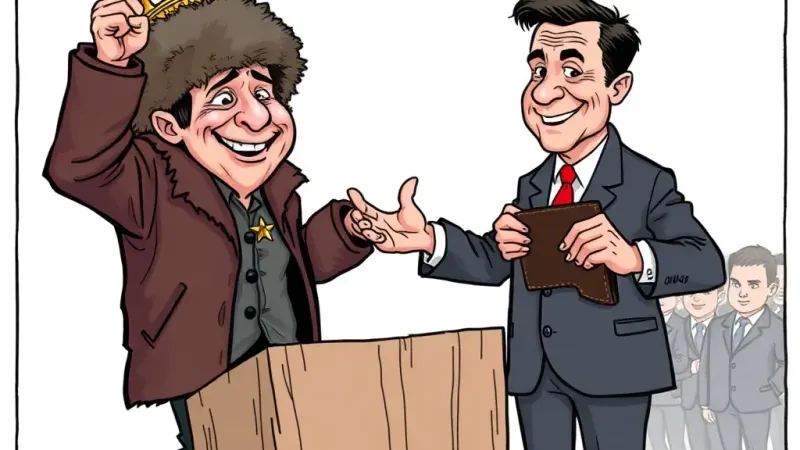
Washington D.C. – A second individual previously pardoned for their involvement in the January 6, 2021 Capitol riot is now poised to admit guilt in an unrelated child sexual abuse case, presenting a complex new challenge for those who championed their release as victims of political persecution. The latest development has prompted a hasty re-evaluation of messaging strategies across various advocacy groups and political offices, reportedly causing significant friction within the ecosystem of 'patriotic' media.
“We’re really struggling to pivot the narrative from ‘unjustly imprisoned patriot’ to… well, this,” admitted Dr. Cassandra Albright, a senior strategic messaging consultant for the newly formed Coalition for Re-Contextualized Justice, speaking off the record. “It’s one thing when the public is asked to overlook a misdemeanor trespass or even a violent assault on a police officer. It requires a different caliber of cognitive dissonance to categorize, say, an alleged felony involving minors as a byproduct of legitimate political grievances. Our 'PR impact score' for this demographic has plummeted by 37 points this quarter alone.”
Sources close to the pardon process during the previous administration, who requested anonymity due to the delicate nature of discussing 'vetting methodologies,' indicated that the primary criteria for clemency often focused heavily on an applicant's perceived political loyalty and the perceived 'overreach' of federal prosecutors regarding their J6 charges. “We were looking for specific parameters,” explained former 2 aide, Marcus Thorne. “Did they chant slogans? Were they in a cool outfit? Did they pose for photos? We had a very clear rubric. Personal history beyond that was, shall we say, deprioritized when the optics of a 'political prosecution' were so compelling.”
The unfolding situation has also reignited internal debates over the very definition of a 'political prisoner' versus, as one anonymous legal analyst for a conservative think tank put it, 'just a regular bad guy who also showed up on January 6.' Efforts are reportedly underway to establish a clearer, more internally consistent framework for distinguishing between 'heroic dissenters facing trumped-up charges' and 'people who just have a lot of different charges.'
Moving forward, political strategists are advising future pardon applicants to ensure their criminal history includes only politically convenient offenses, ideally without involving anyone under the age of eighteen, to avoid these kinds of awkward brand synergy conflicts. It turns out even martyrdom has a strict public relations clause.