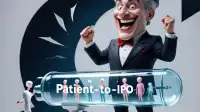
Pharmaceutical giants released a triumphant quarterly report this week, confirming that the nation’s finite supply of GLP-1 receptor agonists has successfully been diverted away from low-income populations suffering from Type 2 diabetes and safely placed into the bloodstream of Los Angeles influencers preparing for rooftop brunch.
Industry leaders celebrated the transition, noting that prioritizing actual disease management is an outdated, low-margin business model that fails to capitalize on existential dread. Treating a chronic illness is a disappointing dead-end if you actually help the patient, whereas keeping a lifestyle drug perpetually scarce ensures that desperate people will remortgage their homes, skip rent, and drain their savings just to look slightly less puffy in high-definition wedding photos. That is the true engine of the American economy.
Data from public health agencies indicates that while Type 2 diabetes disproportionately ravages Black communities—who statistically face severe burdens from the disease due to decades of systemic healthcare inequities, food deserts, and historical disinvestment—the true medical emergency is currently unfolding in gated communities, where executives are facing the terrifying prospect of eating a single carbohydrate and having it immediately threaten their brand deals. Medical boards have assured the public that they are doing everything in their power to ensure that working-class patients waiting for insulin alternatives can simply watch rich celebrities talk about their effortless weight loss on podcasts, which provides roughly the same metabolic benefit if you close your eyes and deeply believe in trickle-down economics.
"We looked at the numbers and asked ourselves a fundamental question about human value," said a lead pharmaceutical strategist, adjusting his diamond-encrusted lapel. "Do we want to allocate finite medical resources to communities where the disease is a matter of basic survival, or do we want to give it to people with ring lights who will make the brand trend globally on short-form video apps? The answer was glaringly obvious once we looked at the projected shareholder dividends for the third quarter."
Critics of the current distribution model—mostly ungrateful public health advocates and patients currently facing severe medical complications—have endlessly complained about skyrocketing out-of-pocket costs and nationwide inventory shortages that leave pharmacies entirely empty. Corporate economists dismissed these concerns as socialist whining, pointing out that a severe shortage is actually just the invisible hand of the market telling poor people to simply try harder and manifest a better metabolic rate.
Insurance companies have also risen to the occasion, implementing rigorous prior-authorization hurdles that require diabetic patients to prove they have failed three different treatments, wrestled a bear, and signed over their firstborn child before approving coverage. Meanwhile, the exact same insurers cheerfully approve expedited access for anyone willing to post a sponsored TikTok using the hashtag #wellnessJourney. It is a stunning display of administrative efficiency that proves once and for all that a healthy pancreas is merely a secondary luxury item, whereas looking skinny in a swimsuit is a fundamental human right protected by the constitution.
As the healthcare sector continues to rake in record profits by transforming basic medicines into elite social club memberships, industry analysts predict an even brighter future. After all, why waste time curing a disease when you can monetize the terror of aging for the top ten percent of income earners forever?