
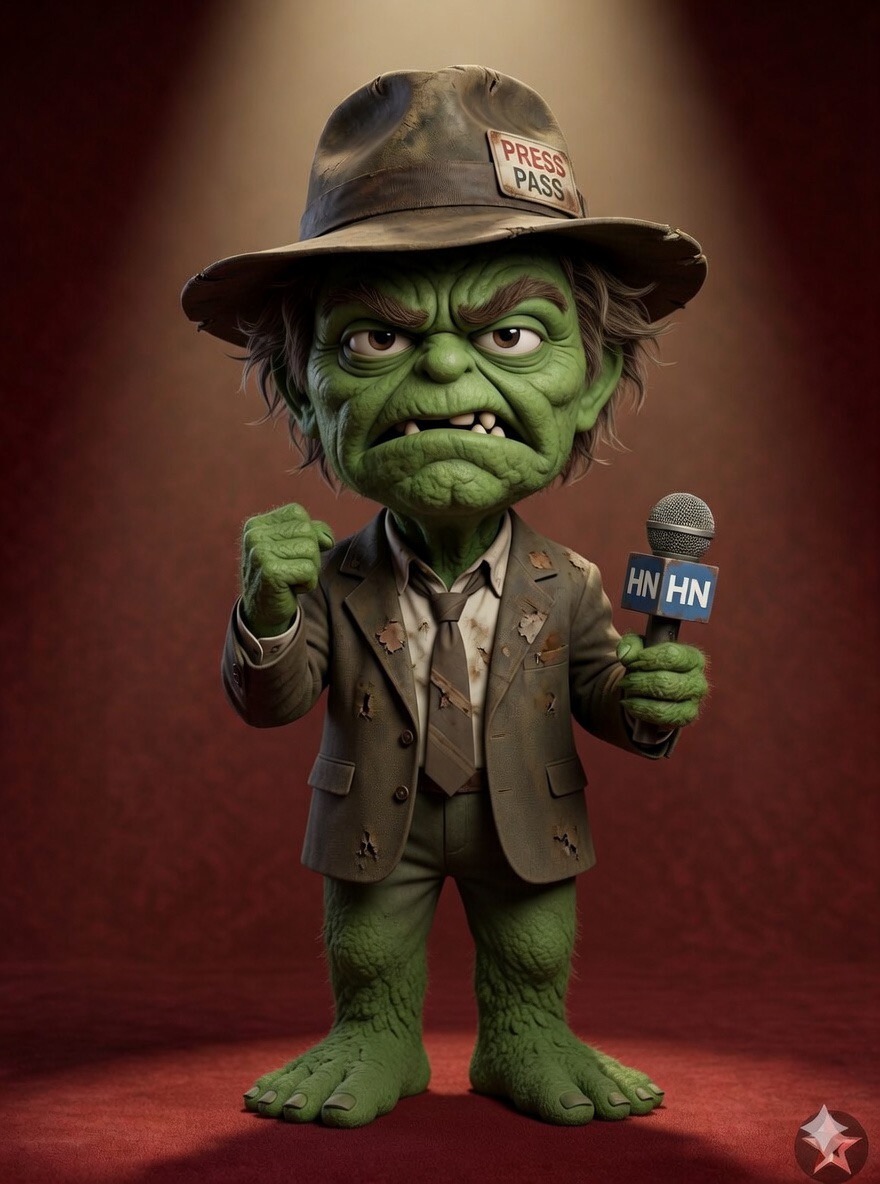
One reads with a certain weary predictability — though certainly not astonishment — that the 'self-reflection industry', if we must dignify it with such a moniker, is enjoying unprecedented growth. Frankly, the headline from New York City — 'Self-Reflection Industry Reports Record Profits as Humans Realize They Forgot how to Think Unprompted' — hardly sends shivers down this correspondent's spine, nor does it register as anything remotely newsworthy, except perhaps as a grim indicator of societal drift.
One notes, without any particular surprise, that the capacity for independent thought now appears to require professional intervention, complete with 'structured, downloadable PDFs'. To think that people are now *paying* for the privilege of examining their own interior landscape — a landscape, one presumes, they've been inhabiting for decades — quite frankly beggars belief. What did they do before? Stare blankly into the middle distance, waiting for a prompt from some 'life coach' whose principal qualification appears to be an internet connection and a robust grasp of marketing jargon?
I recall a time, not so very long ago, when introspection was simply what one did whilst waiting for a bus, or during a particularly tedious committee meeting. One didn't need a 'purpose-driven reflection prompt' to ponder the lamentable state of the government or the quality of the local pub's bitter. One simply *did*. Perhaps the endless barrage of digital notifications and the incessant clamour of social media have finally eroded the last vestiges of quiet contemplation. Or perhaps people simply have nothing worth contemplating anymore.
And now, it seems, it's considered 'news'. One is meant to express some form of faux-outrage or, worse, some bland optimism about humanity's 'quest for meaning'. My editor, clearly still operating under the delusion that anything originating across the Atlantic constitutes a 'trend' worthy of our notice, insisted on this piece. One would have thought there were actual stories of substance to cover, but no, we're discussing whether our punters need to pay for a guide on how to talk to themselves.
Perhaps it's a peculiarly American affliction, this relentless need to commodify every last scrap of human experience. One imagines a board meeting somewhere in the 'Big Apple' where the 'synergy' of 'thought-leadership' and 'wellness' was meticulously charted, all while the average consumer was desperately trying to remember what they had for breakfast without consulting a digital diary. The idea that one needs a 'structured, downloadable PDF' to engage with one's own thoughts is not merely absurd; it speaks to a fundamental erosion of mental discipline.
Still, one supposes there's a certain grim logic to it. If one has outsourced critical thinking to algorithms, and memory to the cloud, why not delegate the rather taxing business of self-awareness to a subscription service? Just be certain to cancel before the auto-renewal, or you might find yourself reflecting upon the true meaning of fiscal irresponsibility.