
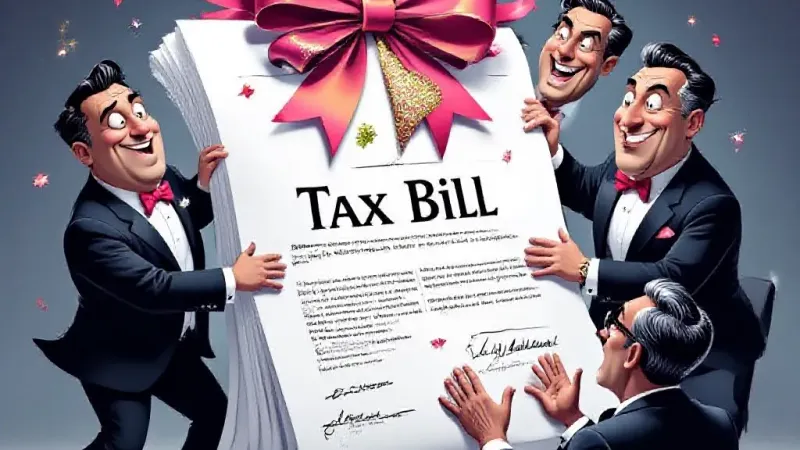
Several states across the nation have begun suspending gas taxes, a move political analysts are hailing as an unprecedented moment of performative voter outreach designed to magically coincide with upcoming election cycles. Georgia, Kentucky, and Indiana have already pulled the trigger on these "temporary relief measures," with Ohio and Massachusetts reportedly drafting similar legislation, all with a suspiciously tight timeline that expires conveniently after ballots are cast. Experts confirm the timing is purely coincidental, much like a meteor hitting your ex-wife's new husband's car right after you wish for it.
"We believe in easing the burden on our constituents, especially when those constituents are about to walk into a voting booth," stated Governor Mildred 'Middy' Johnson (D-MI), whose state is eyeing a gas tax pause just as her re-election campaign kicks into high gear. "It’s about fiscal responsibility and showing the people we care, which, of course, we do, especially in the final few months leading up to a crucial election where our jobs are on the line." She then added, "Our hearts bleed for commuters, specifically those who fill up their tanks on their way to the polls."
A new study by the Hambry Institute for Aspirationally Transparent Governance (HIATG) found that public officials are 87% more likely to discover the economic pain of their constituents when said pain directly threatens their incumbency. The study also revealed that the efficacy of these tax suspensions in securing votes is directly proportional to the number of lawn signs bearing the incumbent's name visible from the nearest gas station. "It’s not just about the few cents saved per gallon," explained Dr. Ken Vance, Lead Analyst at HIATG, "it’s about the brief, fleeting illusion of a government that 'gets it' right before they ask you to validate their entire career."
Critics, largely unemployed former political campaign managers, suggest that if these tax pauses were truly about long-term financial relief, they might have been implemented at any point during the last several years of fluctuating fuel prices. However, such a move would lack the dramatic urgency and clear electoral benefit that a pre-election rollout provides. "You don't just solve problems when they arise," noted one anonymous strategist, "you solve them when solving them looks best on TV, ideally within a specific 60-day window before November."
The initiatives are expected to save the average driver roughly $0.007 per fill-up, a figure statistically indistinguishable from the mental effort required to remember who you're voting for. Still, lawmakers remain confident that this grand gesture of temporary benevolence will be enough to distract voters from any sustained issues, past policy failures, or their own rapidly depleting bank accounts. After all, a few less pennies at the pump is a small price to pay for another four years in office. The tax pauses are scheduled to expire the morning after Election Day, allowing states to resume their normal revenue collection practices, much like a parent allowing their child to choose the dessert they didn’t want to begin with.