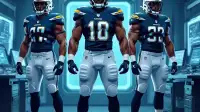

The NFL is moving to enhance the fan experience by making it *less* visual. A groundbreaking new "Authentic Play-By-Play" initiative will introduce mandatory static interference, reduce camera angles to only the blimp shot, and occasionally swap out live footage for stock photos of pristine turf or vague crowd reactions. This radical shift, announced Monday, comes after an internal league study revealed that fans listening to radio broadcasts were "demonstrably more engaged" with the game's actual *essence* than those distracted by HD visuals, instant replays, and the unsettlingly clear pores of sideline reporters.
"For too long, we've allowed mere 'sight' to dilute the profound connection between fan and sport," explained NFL Commissioner Roger Goodell, speaking from a darkened room via an old rotary phone that periodically cut out. "Our data shows that when fans are forced to imagine the action – the perfectly spiraling pass, the bone-jarring tackle, the uncalled holding penalty – their neural pathways light up like a scoreboard after a 60-yard bomb. They're creating the game in their minds! That's true engagement, baby." Goodell added that the current television experience, with its instant replays and clear vantage points, had become a crutch, preventing fans from truly "earning" their understanding of the game.
Starting next season, all nationally televised games will feature a variable static overlay, increasing in intensity during crucial third downs, and deliberate pixelation during any play that might resolve ambiguity. Camera feeds will frequently cut to a close-up of a lone blade of grass or a half-eaten hot dog. Sideline reporters, instead of providing updates, will now emit pre-recorded, non-committal murmurs like "hmm, something's definitely happening down here" or "he might have caught it, hard to say." The league is also exploring "Premium Blind Faith" packages, offering high-fidelity static and more frequent cuts to the field goal netting for an additional monthly fee.
Early trials of the "Authentic Play-By-Play" experience have shown promising results among demographics least likely to actually attend a game. Focus groups reported feeling "more patriotic" and "less aware of their own crushing debts" when deprived of visual input. One participant, who only heard muffled grunts and whistles for three hours, declared it "the purest football experience of my life, even better than when I actually played in high school, where I was often hit in the head." Sports broadcasters, meanwhile, are scrambling to adapt, with many announcing new "visual silence training" programs for their on-air talent.
The NFL insists these changes are not about saving production costs, but about fostering a deeper, more imaginative connection to the game. After all, why risk seeing a fumble when you can perfectly imagine a game-winning touchdown?