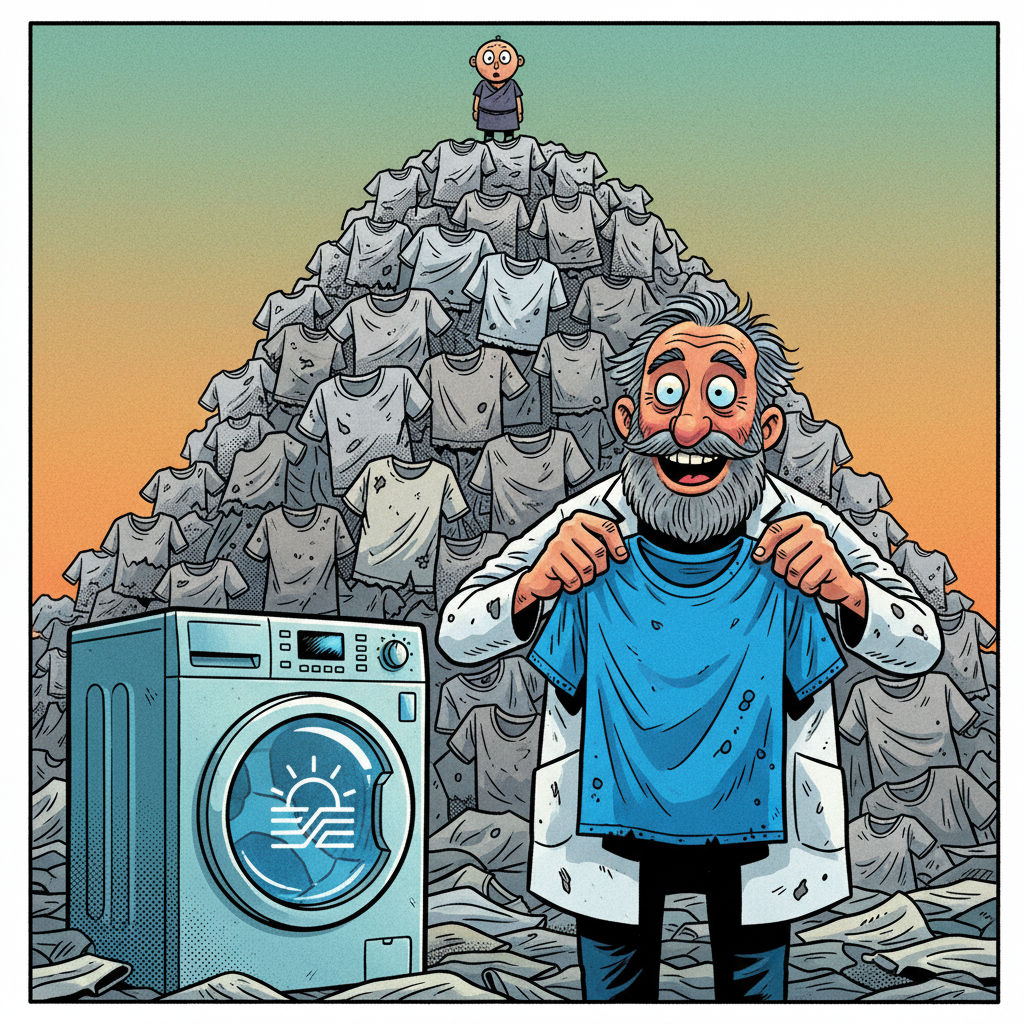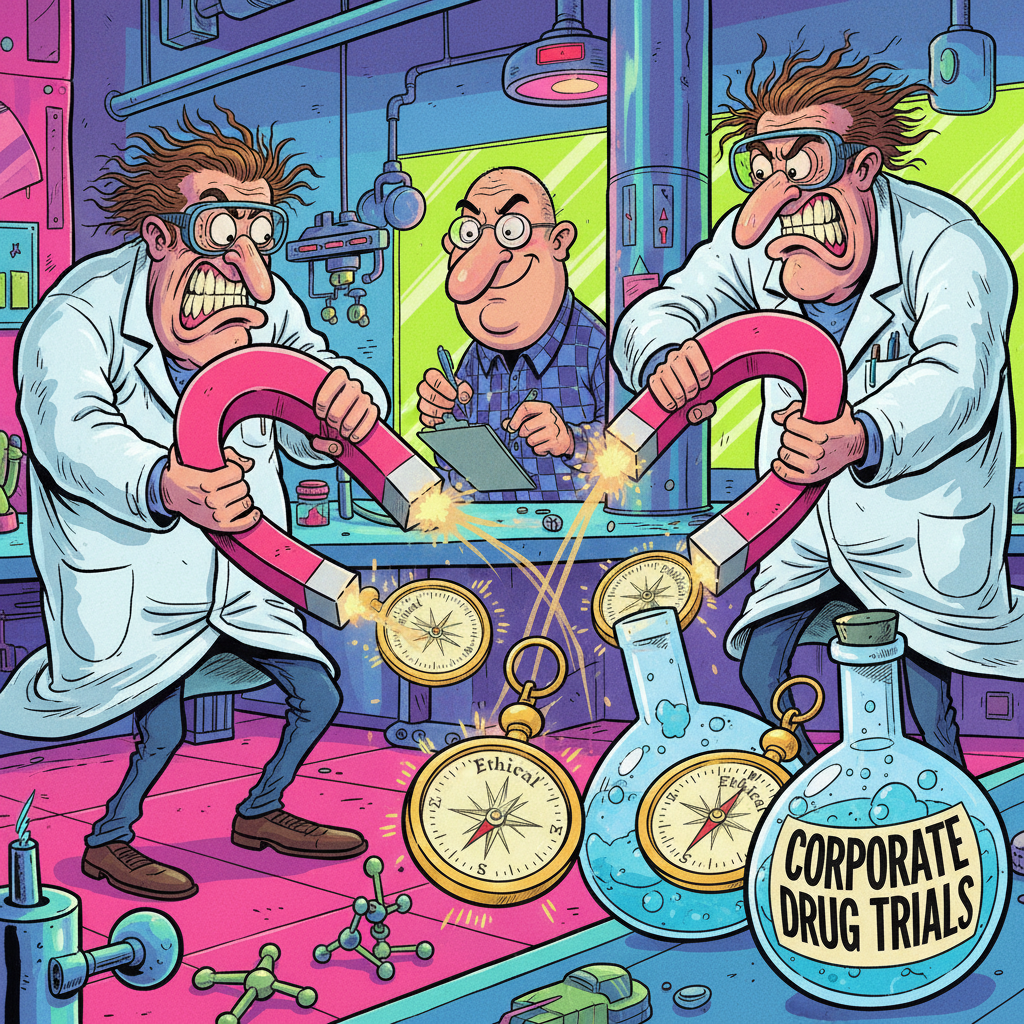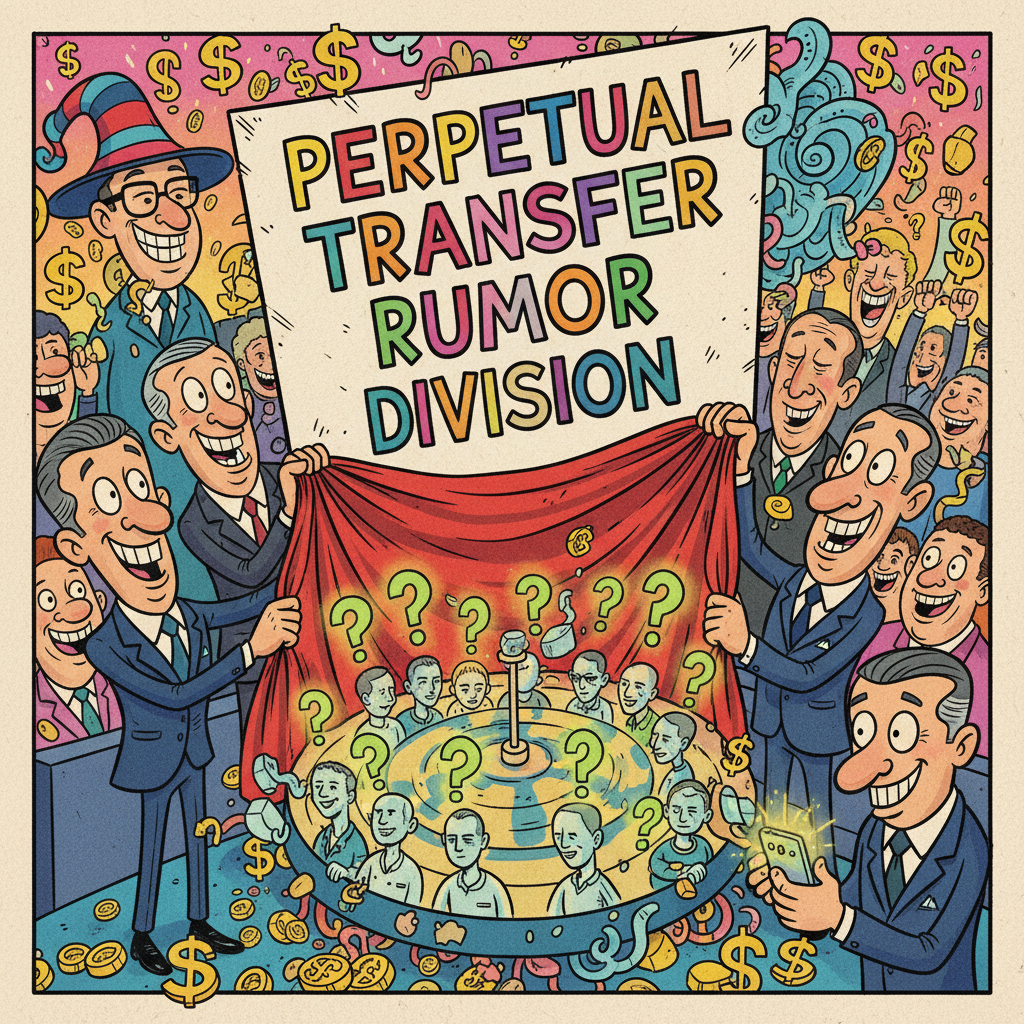
WASHINGTON D.C. – A groundbreaking new study released today confirms what many have long suspected: the primary impediment to commercializing nanotechnology isn't the science, but rather its inherent inability to be adequately represented on a PowerPoint slide or a corporate vision board. The research, published by the Institute for Stagnant Innovation, found that while nanobots capable of repairing cellular damage are technically feasible, they lack the 'wow factor' of, say, a new office park or a rebranding initiative.
“We’ve seen countless promising nanotech ventures die on the vine not because they didn’t work, but because they couldn’t be distilled into a three-word slogan or a glossy brochure,” explained lead researcher Dr. Evelyn Thorne. “It’s hard to get a CEO excited about something you can’t even see, let alone put a giant ribbon on for a photo op. 'Invisible Revolution' just doesn't resonate like 'Synergy Hub'.”
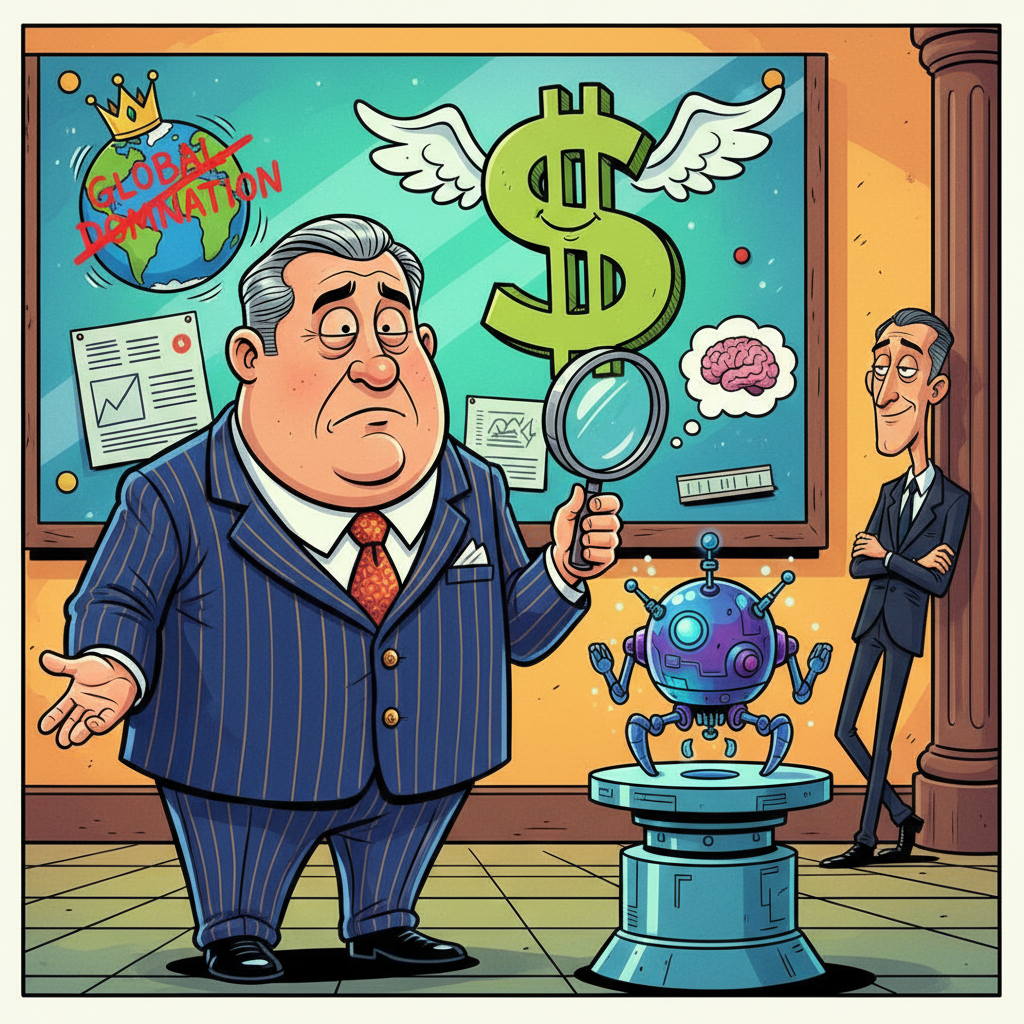
Corporate venture capitalist Bryce Sterling echoed the sentiment, stating, “Look, if I can’t explain it to my golf buddies in under 15 seconds, it’s not investable. And if it doesn’t involve a blockchain, AI, or a subscription model, frankly, I’m out. Nanotechnology just feels… fiddly.”
The study concludes that until nanotechnology can be scaled up to at least the size of a small dog, or perhaps integrated into a new line of 'smart' toasters, its commercial viability will remain in critical condition.