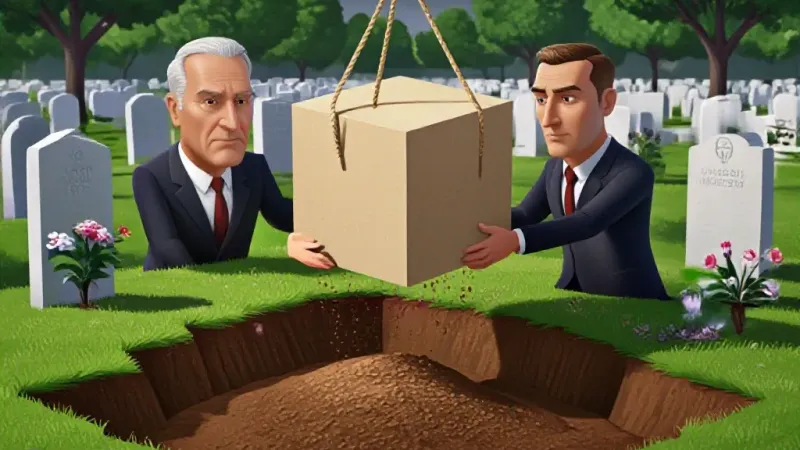
LOS ANGELES – Peter Lassally, the venerable late-night television producer whose career spanned over five decades, died Tuesday at 93, leaving behind an indelible mark on an industry now scrambling to remember exactly what made it so popular in the first place. Often hailed as the "architect of late-night's golden age of predictable chuckles," Lassally’s influence on the genre’s shift from sharp social commentary to comfort food for the soul cannot be overstated.
"Peter’s impact was so profound, entire comedic ecosystems now struggle to distinguish between a punchline and a polite nod of agreement," explained Dr. Anya Sharma, lead researcher at the Institute for Aspirational Proximity Studies. "He truly refined the art of the 'safe' joke, a joke so meticulously vetted for brand safety and audience comfort that its only edge was the paper cut you might get from the script. His passing marks the end of an era where originality was merely a concept to be gently nudged aside for focus group-approved material."
Indeed, Lassally’s meticulous approach to humor helped shape an industry where a joke’s success is measured by its tweetable neutrality rather than its actual insight. His philosophy, often paraphrased as "If it won’t make Aunt Mildred in Ohio spit out her tea, it’s going in," ensured a steady stream of content that was just edgy enough to be broadcast but bland enough to be forgotten by morning. Late-night host Conan O'Brien, having once dared to use a prop slightly out of its prescribed context, wistfully recalled, "Peter taught us the true meaning of comedic bravery: ensuring maximum advertiser comfort."
The producer’s passing raises existential questions for the future of late-night television. With Lassally's guidance no longer a presence, some hope his absence might usher in a new era of daring, boundary-pushing comedy. Others, more realistically, are simply updating their obituary templates for the next inevitable late-night legend to shuffle off this mortal coil, having contributed equally to the industry’s ongoing commitment to the aggressively inoffensive.
His greatest legacy, industry veterans agree, is proving that if you keep jokes just bland enough, they can truly last forever.