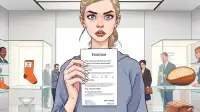
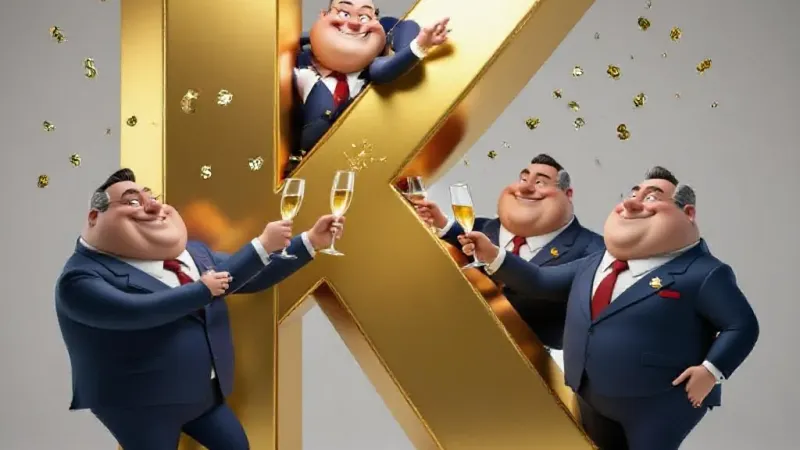
A recent economic analysis confirms the long-awaited closing of America's infamous "K-shaped" economic divide, with lower and middle-income households now aggressively participating in the consumer spending spree, primarily by leveraging every available credit line, payday loan, and second mortgage. This monumental shift marks a new era of shared economic struggle, where the poor are no longer lagging behind in the critical metric of crippling debt.
"For years, we worried about the rich carrying all the spending weight," explained Dr. Cassandra Vance, Director of the Institute for Aspirational Proximity Studies. "Now, thanks to unprecedented access to high-interest credit and the sheer will to keep up appearances, the average American can purchase goods and services they absolutely cannot afford, just like their wealthier counterparts. It's a true leveling of the playing field." Vance pointed to a sharp increase in personal loan applications and the strategic defaulting on utility bills as key indicators of this newfound "economic dynamism."
This relentless pursuit of "economic participation" comes as a relief to Wall Street, which relies on a constantly spending populace regardless of their actual ability to pay. Analysts note that while the wealthy continue their luxury consumption, the working and middle classes are closing the spending gap by covering essentials—rent, groceries, healthcare—often at usurious rates. This "bottom-up" drive to keep the lights on and bellies fed is being lauded as a testament to the American spirit of consuming, come hell or high interest.
"The data clearly shows that the bottom isn't just catching up; it's aggressively clawing its way into the same financial quicksand the top has always managed to navigate with bespoke waterproof boots," said market analyst Chad 'The Shark' Brannigan. "This demonstrates a robust consumer desire to participate in the economy at all costs. We're seeing families stretch their budgets to breaking point, which, from a quarterly earnings perspective, is incredibly healthy for shareholders." Brannigan added that the "beauty" of the current system is that it incentivizes maximum consumption by making mere survival an expensive, credit-fueled endeavor.
Ultimately, economists are optimistic this trend will continue until everyone is equally leveraged, equally stressed, and equally one unexpected car repair away from complete financial collapse. The future, it seems, is perfectly balanced.