


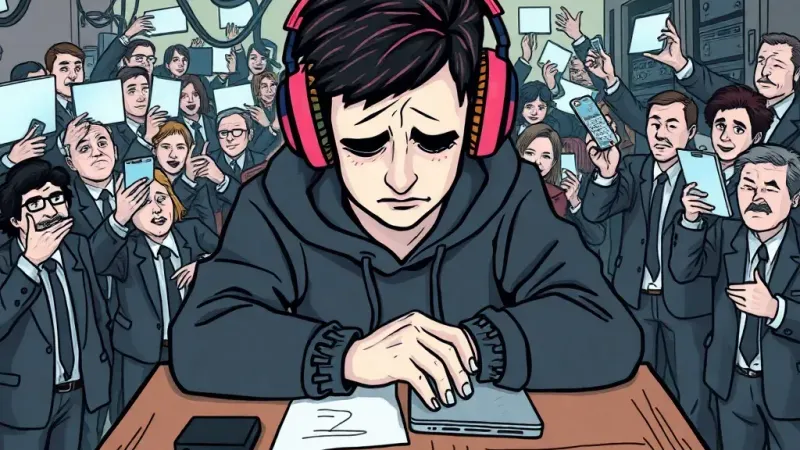
WTC (West Central Technical College) announced today the formal designation of its student body as the nation's primary frontline tech support, establishing dedicated "Digital Navigation Centers" to tackle the mounting wave of everyday technological crises. The initiative aims to alleviate the immense, largely unpaid, burden currently borne by younger family members, who have for decades served as informal IT departments for older generations. Operating from repurposed library spaces, student common areas, and mobile kiosks at local farmers' markets, the centers will provide essential services ranging from printer connectivity troubleshooting and password recovery for streaming services, to deciphering cryptic pop-up notifications and explaining the precise function of the "cloud" – a concept one recent client described as "like a magic attic, but for pictures of my cat."
Initial pilot programs revealed that a staggering 87% of all inbound issues involved either clearing browser cookies, locating the Wi-Fi icon, or determining why the "sound isn't working on the iPad when the mute switch is clearly engaged." This alarming data underscores a systemic digital literacy gap, until now informally addressed by exasperated grandchildren during holiday dinners. "For too long, we as a society have silently relied on our children and grandchildren to untangle the digital spaghetti of modern life, often at the cost of their youthful enthusiasm," stated Dr. Evelyn Hayes, director of WTC's newly formed Department of Intergenerational Digital Remediation. "This program finally acknowledges that a stable household often hinges on successfully connecting a smart TV to the internet. We're formalizing what’s already happening, with academic credit and designated quiet rooms for student recovery."
Student volunteers, largely drawn from Gen Z and younger millennials, undergo a rigorous five-minute orientation where they are reminded to breathe deeply, maintain eye contact while explaining why the laptop needs to be *on* to print, and provided with a laminated card featuring the phrase "It's probably unplugged" in 12 different fonts. The program has been particularly popular with students seeking to fulfill community service requirements without having to interact with anything more complex than a broken printer. "Honestly, I thought I'd be helping with coding or network security," admitted Chloe Davison, a 19-year-old volunteer, while patiently explaining to a client how to switch inputs on their television. "But mostly it's just telling people to 'reboot the router' for the 30th time this hour. It’s like a never-ending IT help desk."
The societal benefits are already being felt. The WTC initiative is credited with reducing the national average number of "unplug it and plug it back in" requests made by family members by an estimated 17% in its first week alone, and a 23% decrease in calls to emergency services about "missing icons" on desktop computers. Local law enforcement reported a marked decline in domestic disputes stemming from Wi-Fi password miscommunications, dubbing the student volunteers "digital peacemakers." The state legislature is reportedly considering a bill that would grant students tax credits for every "parental device setup" performed, effectively monetizing generational frustration.
With federal legislators reportedly eyeing the WTC model as a potential blueprint for a nationwide mandatory digital eldercare service, the future of America's technological infrastructure appears increasingly dependent on the patience and basic touchscreen proficiency of teenagers.