


Nature photography used to be about majestic eagles soaring over pristine peaks or lions surveying the Serengeti with quiet, stoic dignity. That era of artistic integrity officially died on Tuesday, when the Close-up Photographer of the Year awards announced its winners, celebrating a collection of high-definition portraits that showcase animals doing things they desperately wish no one had ever witnessed.
Leading the pack of deeply undignified wildlife documentation was a stunning, hyper-focused macro shot of a kingfisher mid-brawl, captured with such ruthless clarity that you can practically see the existential regret in its eyes. Following closely behind was a breathtaking portrait of a wild bird aggressively picking its nose with a twig, and a bat caught mid-bath looking like an accountant who just realized he forgot to file his taxes while stark naked in a public fountain.
For decades, humanity maintained a polite social contract with the animal kingdom. They got to live in the woods, hunt in secret, and maintain a facade of wild, untamed grace. We stayed in our concrete boxes and pretended they were noble creatures living in a balanced ecosystem of beauty and wonder.
That fragile illusion has now been completely dismantled by nerds with six-thousand-dollar telephoto lenses hiding in bushes for fourteen hours just to capture a squirrel dropping a half-eaten French fry directly onto its own crotch.
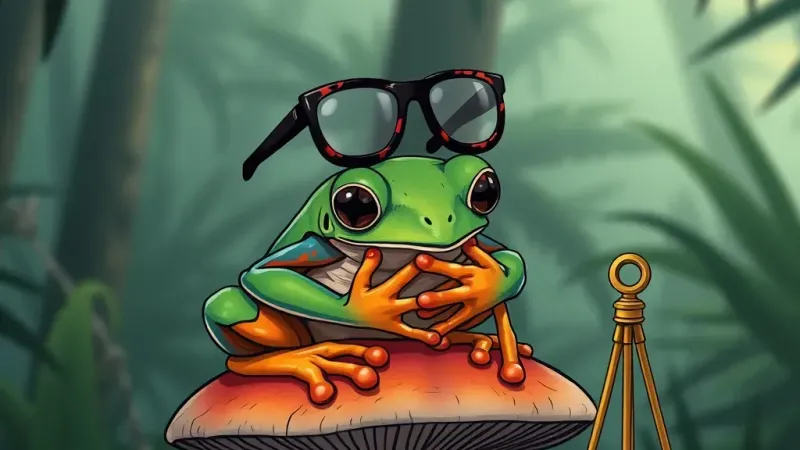
"People want authenticity, and nothing is more authentic than a high-resolution, microscopic view of a creature completely losing its composure," explained competition judge and professional voyeur Marcus Vance, adjusting glasses that have clearly seen far too many amphibians in distress. "Sure, we could award the person who took a nice, blurry picture of a sunset over the mountains. But does a sunset show a beetle experiencing a mild panic attack because it walked onto a wet leaf? No. That requires true artistic vision and an absolute disregard for animal privacy."
The competition, which received thousands of entries from photographers across the globe, has quickly become the premier showcase for humanity's relentless urge to weaponize technology against creatures that literally do not know what a camera is. While previous generations of naturalists used field guides to understand animal behavior, modern photographers use 100-millimetre macro lenses to document animals looking as awkward as possible for internet clout.
Among this year’s most celebrated finalists was a close-up of a toad appearing to question every life choice that led it to a puddle behind a Denny's, and an impossibly sharp image of a caterpillar that looks like it is desperately trying to remember if it left the stove on before turning into a chrysalis.
Experts note that the animals themselves have little say in the matter, mostly because they are too busy trying to survive the elements to realize a man in a ghillie suit has been camping in their bathroom mirror for three weeks waiting for them to stub their toe. Conservationists have raised minor concerns about the psychological impact of having one's most humiliating personal moments immortalized in a hardcover coffee table book sold exclusively at museum gift shops, but judges maintain that the cultural value of laughing at a wet bat outweighs any ethical boundaries.
As the market for high-end wildlife photography continues to grow, industry insiders predict next year’s entries will push the boundaries of invasive documentation even further. Rumors are already swirling about a groundbreaking project tracking earthworms having awkward eye contact after bumping into each other underground, and a high-speed capture of a raccoon realizing it’s trapped inside a locked dumpster with zero escape routes.
Until then, the wildlife community will simply have to accept that every time they scratch an itch, shed a layer of skin, or cry into a hollow log, a guy named Chad from a suburb in Ohio is lying prone in the dirt fifty feet away, documenting the entire catastrophe at four thousand frames per second.