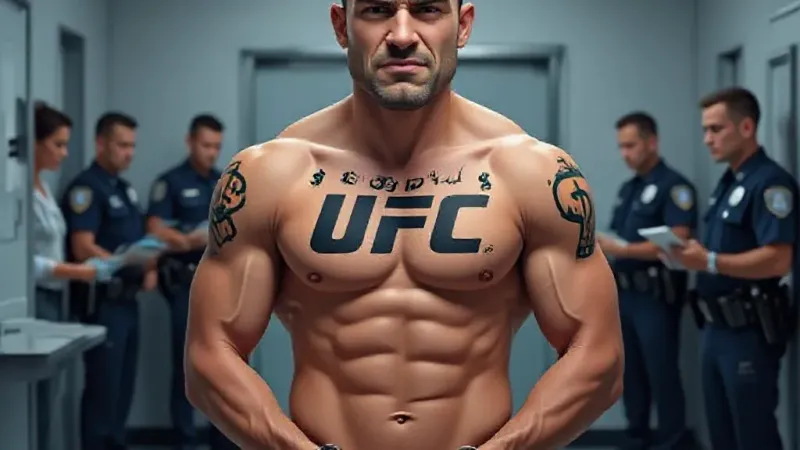
Elijah Bieniemy, recently detained on charges yet to be fully disclosed, attempted to pioneer a bold new legal defense strategy by informing arresting officers he was a UFC fighter. The innovative approach, which relied heavily on the perceived prestige, intimidation, and general badassedness of combat sports athletes, was, according to law enforcement sources, immediately unsuccessful in its primary objective: not being arrested. Bieniemy’s groundbreaking move has sparked fervent debate among legal strategists, personal branding consultants, and those who simply enjoy watching men try something truly stupid in a high-stakes encounter.
"This is classic 'aspirational leverage'," explained Dr. Cassandra Thorne, Director of the Institute for Aspirational Proximity Studies. "The subject attempts to bridge the perception gap between their current, undesirable situation and a more advantageous identity. By asserting a high-status, high-physicality profession like UFC fighter, Bieniemy hoped to trigger an unconscious bias in officers—perhaps an unwillingness to engage, a flicker of respect, or even just the thought, 'Is this guy really going to make this harder than it needs to be?' It’s a purely psychological play, a Hail Mary of self-importance." Dr. Thorne noted that while data is still being meticulously collected, early returns suggest a startling 0% success rate for fabricating UFC credentials on the spot.
Sources close to the situation, who wished to remain anonymous for fear of being mistaken for personal branding consultants, confirmed that Bieniemy "really leaned into it." He reportedly maintained eye contact, spoke with a low, gravelly voice, and may have even flexed a pectoral muscle or two. "We get a lot of guys claiming to be rappers, producers, tech CEOs," admitted one officer, speaking on background. "'UFC fighter' was a new one, though. Credit where credit's due for originality, but it doesn't change anything when we've got you dead to rights. We even checked the official UFC roster later, just to be sure, because, you know, due diligence. Turns out, he was not on it. Shocking, I know."
Bieniemy’s legal team, reportedly still reeling from the revelation that the man was, in fact, not a UFC fighter, has declined to comment on how this unexpected detail might impact their defense. Observers are now wondering if this incident will lead to a new wave of suspects claiming unlikely, intimidating professions, perhaps even "professional shark wrestler" or "recreational astronaut with advanced martial arts training." The legal community waits with bated breath for the next innovative, completely unfounded declaration.
Despite its current operational shortcomings, Bieniemy's audacious gambit serves as a crucial data point in the ongoing study of how desperately men will attempt to elevate their social standing, or at least avoid a trip to the precinct, when facing the inconvenient consequences of their actions.