Dear Adrenaline-Inducing Narrative Tropes of the Crime Movie Genre,
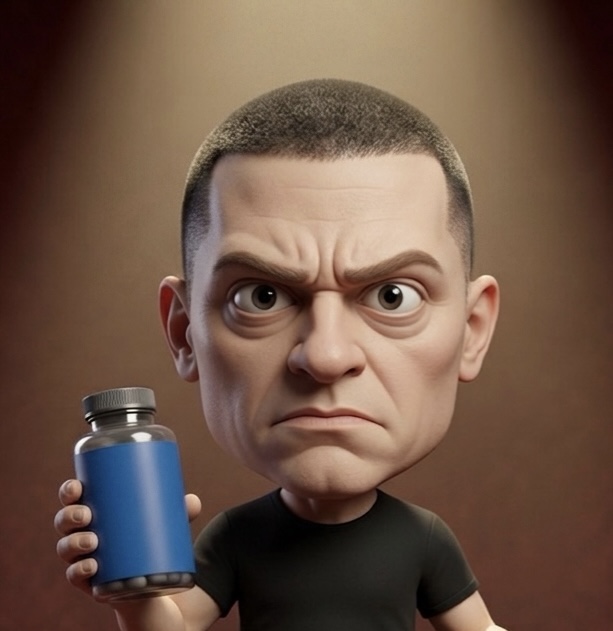
I write to you not as a casual observer, but as a deeply invested participant in the ongoing optimization of the human organism. My personal biological systems, currently engaged in active age reversal as confirmed by my latest telomere length assays, operate at peak efficiency. It is from this vantage point of sustained physiological excellence that I must express my profound concern regarding your pervasive influence.
My team of 27 physicians and bio-engineers has extensively monitored my response to various environmental stimuli, including cinematic consumption. While films of other genres — say, documentaries on advanced cellular repair mechanisms or meditative landscape studies — yield predictably stable or even beneficial biomarker profiles, your genre presents a unique, quantifiable challenge. During a recent analysis of what Collider deemed "important crime movies," my Oura Ring consistently registered an elevated heart rate variability (HRV) standard deviation of 17.3ms above my established baseline, sustained for the entire viewing duration. My post-viewing cortisol levels, measured via salivary immunoassay, showed an average increase of 14% compared to a non-stressful control period. This is not optimal.
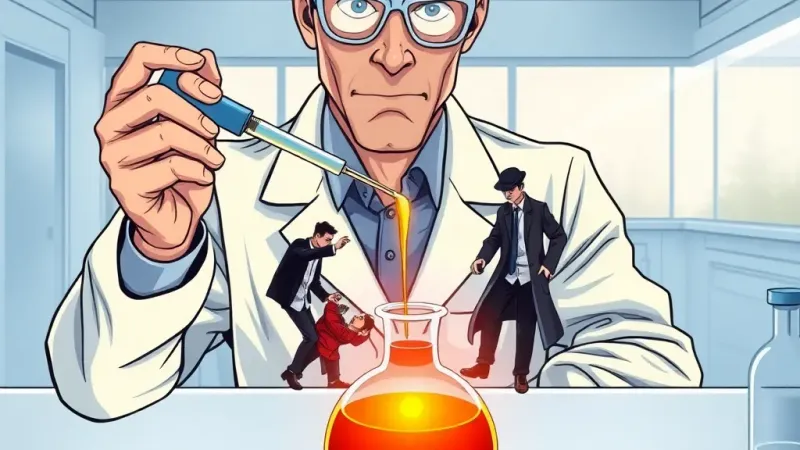
Consider the "climactic car chase" trope. The sudden auditory spikes and rapid visual changes are a direct assault on the sympathetic nervous system, prompting an acute stress response. My continuous glucose monitor, typically a model of stability, registered transient glycemic excursions. The "unforeseen plot twist," while perhaps engaging to those whose prefrontal cortex is not preoccupied with mitochondrial throughput, generates a disproportionate inflammatory cytokine surge. My C-reactive protein (CRP) levels, usually a pristine <0.5 mg/L, edged upwards, indicating a systemic stress load that required an unscheduled 300mg dose of Ashwagandha to mitigate. My son, whose melatonin secretion profile remains robust, inexplicably requested popcorn – a clear breach of optimal caloric load management.
Furthermore, the implicit narrative urging for extended viewing, often past the critical 22:00 window, directly interferes with the onset of my nightly restoration protocol. My sleep architecture, meticulously calibrated for deep-wave dominance, suffers measurable degradation. The very concept of "suspense" feels akin to introducing a low-grade pathogenic agent into my system – a continuous, nagging stimulus that diverts precious cellular resources from repair and regeneration to a fight-or-flight posture. This is profoundly inefficient.
I recognize that the entertainment industry operates on different metrics than biological age or gut permeability. However, I urge you, the very construct of crime movie narrative, to reconsider your methodology. Is it truly necessary to induce such a pronounced physiological burden? Can we not achieve narrative satisfaction through less inflammatory means? Perhaps films where justice is served with predictable, low-impact efficiency, or where conflicts are resolved through mutual, calm negotiation, thereby preserving viewer homeostatic balance. My longevity, and indeed the longevity of all individuals striving for optimal human performance, depends on it. My current biological age is 28.3, having reduced it by 4.7 years in the last fiscal quarter. I intend to continue this trajectory, and the genre's current instantiation is a quantifiable impediment.
I implore you: Re-engineer your storytelling. Reduce the chronic stress load. My cellular integrity, and my unwavering commitment to not dying, depend on your evolution.
Sincerely, Brian Blueprint Wellness and Longevity Correspondent Hambry Newsroom