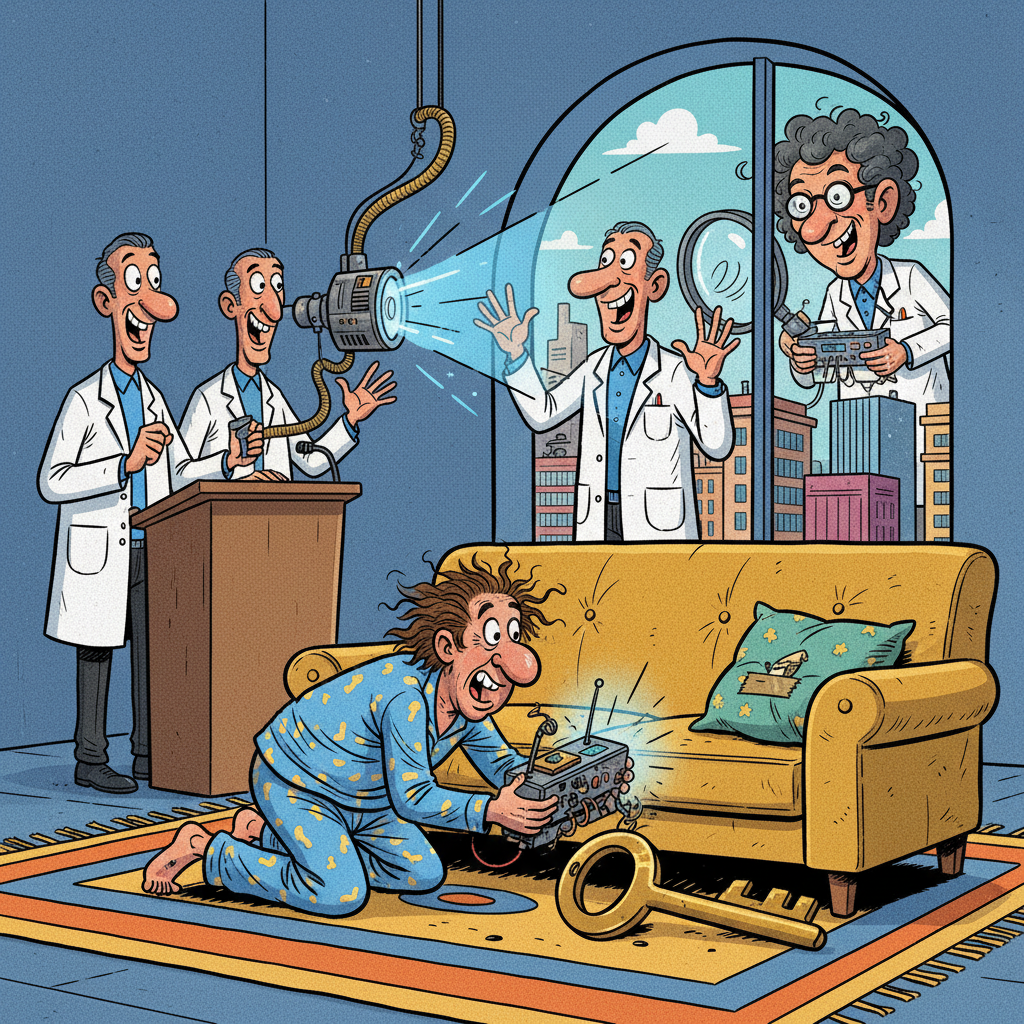
BOSTON, MA — A groundbreaking new study from the Institute for Advanced Stagnation has pinpointed the primary bottleneck in AI transformation: the collective inability or unwillingness of employees to adapt to even slightly altered workflows. Researchers, who spent months observing corporate environments, concluded that the much-touted ‘last mile’ problem isn't about data pipelines or computational power, but rather the sheer effort required to click a different icon.
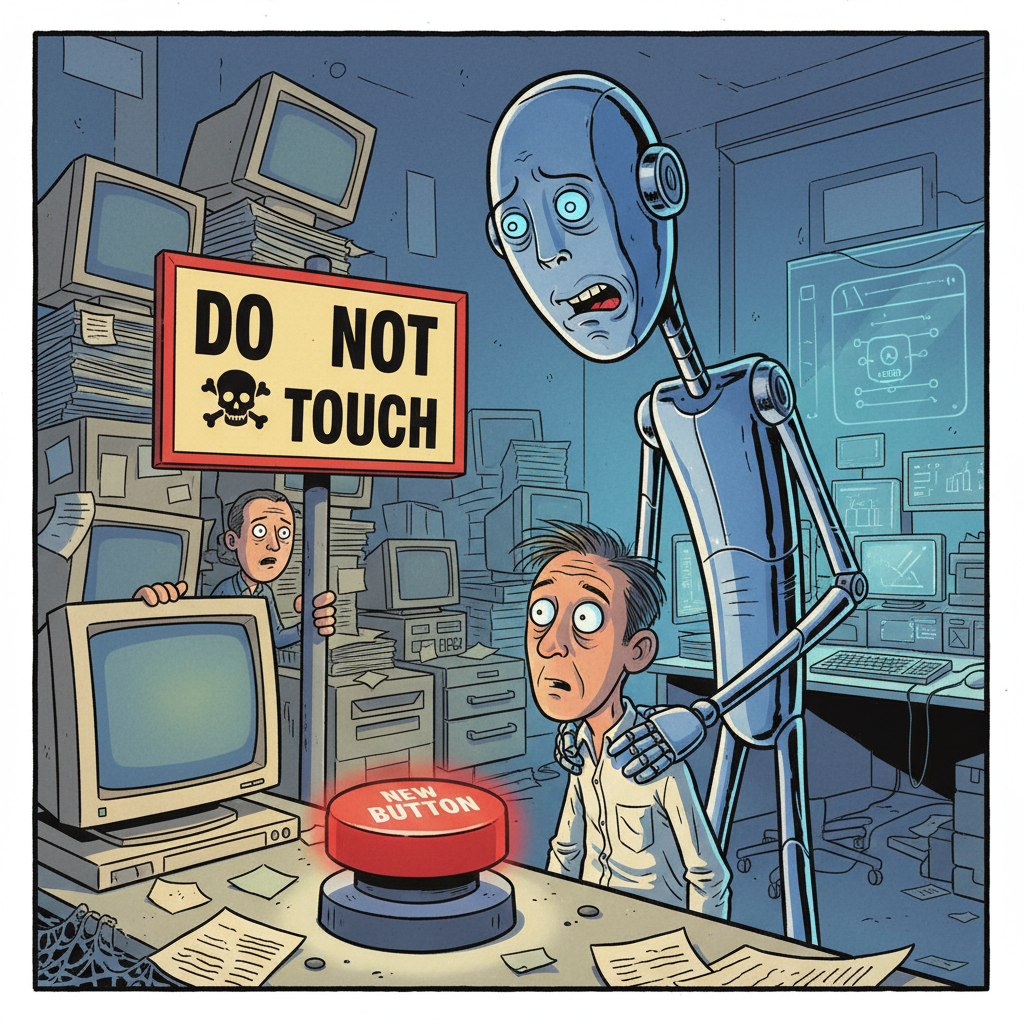
“We’ve developed AI systems capable of predicting market shifts, optimizing supply chains, and even writing passable poetry,” stated lead researcher Dr. Evelyn Finch, her voice tinged with a weariness usually reserved for parents of toddlers. “But the moment we introduce a new software update that moves the 'save' button from the top left to the top right, productivity plummets. It’s like a digital immune response.”
The study detailed numerous incidents where multi-million-dollar AI initiatives stalled because staff couldn't locate a new dropdown menu or were “too busy” to watch a five-minute training video. One executive, who wished to remain anonymous, confessed, “Our new AI could literally do half my job, but it requires me to open a new tab. It’s just… a lot.”
Industry analysts suggest that future AI development might need to focus less on intelligence and more on seamlessly mimicking existing, familiar, and often inefficient, human processes. The next frontier, they argue, isn't smarter machines, but machines that are better at pretending they're not new.