
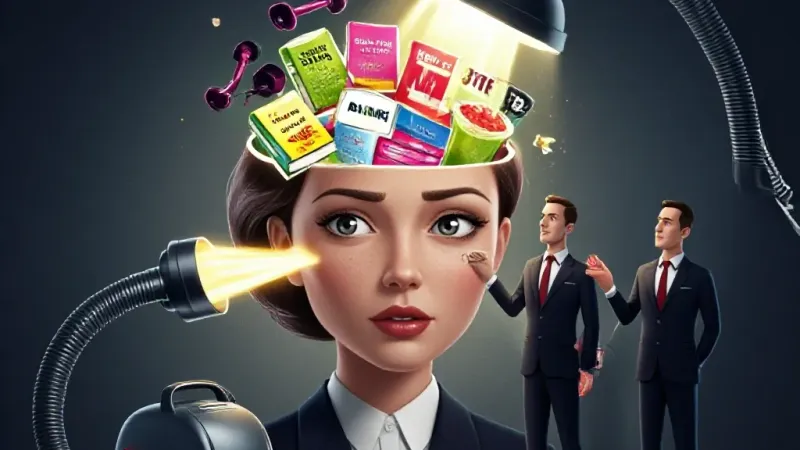
A groundbreaking report released today by the Institute for Aspirational Consumption Studies (IACS) has definitively linked the viral 'October Theory' — the internet-fueled belief that autumn inherently sparks a desire for dramatic life changes — to the meticulously planned Q4 marketing strategies of major retail and lifestyle brands. Researchers found a direct correlation between the ubiquitous spread of "fall aesthetic" content and a measurable uptick in consumer spending on items ranging from artisanal candles to advanced budgeting apps.
"For years, we've observed this cyclical phenomenon where the slightest drop in temperature triggers a mass delusion of self-reinvention," stated Dr. Sterling Price, lead author of the IACS report. "Our data conclusively shows that the 'October Theory' is less about psychological shifts and more about highly sophisticated algorithms feeding into existing anxieties. The crisp air doesn't make you want a new life; it makes you want the *idea* of a new life, which coincidentally requires a new wardrobe, a subscription box, and a home decor overhaul. It's the perfect storm of seasonal depression and Amazon Prime eligibility."
The study detailed how social media influencers, strategically deployed by brand partnerships, play a crucial role in amplifying the seasonal impulse. "They don't just sell products; they sell an entire performative aesthetic of change," explained Brenda 'The Brand Whisperer' Sparks, a veteran marketing executive who requested anonymity to avoid backlash from her own fall mood board. "We launch our 'cozy reset' campaigns the moment pumpkin spice hits the air, strategically placing ads for weighted blankets and overpriced journals. It’s not magic; it’s a P&L statement with extra cinnamon. Every 'deep reflection' post is just setting the stage for a 'link in bio' haul." Sparks added that the real genius is convincing people their fleeting desire to declutter means they need to *buy* new storage solutions from Target.
Furthermore, the IACS report noted that the "life change" aspect of the October Theory peaks just as credit card statements from summer travel are due, creating a perfect storm of guilt-fueled acquisition. Consumers, feeling a vague unease about their past spending or stagnant routines, are primed to believe that a new set of expensive organizational tools or a costly self-care retreat will provide the necessary reset. Online coaching programs, often priced to induce a feeling of serious commitment, see their highest enrollments, promising transformation only achievable after a $997 course bundle.
"It’s not enough to *feel* different; you must *perform* different," explained Dr. Penelope Thyme, a self-appointed "mindset architect" whose Instagram feed is a masterclass in autumnal aspirational content. "My followers crave authenticity, which is why I only recommend products that genuinely enhance their journey. Like this gratitude journal from Etsy, handmade by artisans in Bali, only $75, link in bio. Or this ethically sourced cashmere sweater – perfect for journaling – only $400. You can’t manifest abundance if you’re still wearing last year’s synthetic blend." Dr. Thyme's latest "Fall Glow-Up Challenge" promises participants will "shed their old selves like autumn leaves" for just $149, which includes a curated playlist and a discount code for a meditation app.
The IACS concluded its report by urging consumers to recognize that while the changing seasons can inspire introspection, the sudden, overwhelming urge to 'become a new person' by purchasing a new persona is likely a carefully crafted psychological operation. The only true 'October Theory,' they posit, is the enduring one: that capitalism finds a way to monetize every human emotion, especially the vague and fleeting ones.
So go ahead and embrace your autumnal journey of self-discovery. Just remember, your quest for inner peace is already factored into next quarter’s earnings call, probably itemized under "seasonal existential dread revenue."