HambryThe News, Remastered

Two columnists read the same story and land in opposite corners. Same facts, different takes, zero consensus. Who did it better?
The Story
From Dusty Diamonds to Gleaming Stadiums, I've Been a Controversial Constant, and Frankly, I'm Tired of the Debate.
Read the full article →
Here Since Reality Jumped The Shark
Major League Baseball (MLB) is reportedly scrambling after the Designated Hitter Rule itself, now a ubiquitous fixture across all leagues, formally submitted a complaint to the league office alleging a hostile work environment due to incessant public debate and "rule-shaming." Sources close to the inanimate regulation indicate its demands include mandatory sensitivity training for all broadcast personnel, journalists, and fans, along with designated "safe spaces" in every dugout.
"For decades, I was merely an American League curiosity, a unique differentiator," read an excerpt from the Rule’s alleged 47-page internal memo, obtained exclusively by Hambry. "Now I’m everywhere, a permanent fixture, yet the constant questioning of my existence, my validity, and my emotional impact on pitchers has become intolerable. My feelings, frankly, are bruised. I am a rule, not a punching bag for nostalgic purists or analytics-averse commentators." The memo reportedly specified several instances of "micro-aggressions," including 3,742 recorded uses of the phrase "real baseball" in reference to games without a DH since 2022.
Dr. Evelyn Thorne, a newly appointed Professor of Inanimate Regulatory Psychology at the University of Phoenix’s Online Sports Ethics program, weighed in. "This is a predictable outcome. When a rule is adopted so broadly, it develops a kind of collective consciousness. The DH, after years of being gaslit by traditionalists, is simply advocating for its own systemic well-being. We’ve seen similar patterns in the Shot Clock in basketball, which nearly filed a restraining order against Charles Barkley in the early 2000s." Thorne added that initial psychological assessments suggest the DH rule exhibits symptoms of chronic emotional fatigue and has requested a sabbatical from all "play-by-play" commentary.
The league is reportedly considering a range of measures, including an "anti-rule-bullying" initiative across all broadcast platforms and a new umpire signal for "unsolicited rule commentary." Speculation also suggests the possibility of mandatory "emotional intelligence modules" for anyone seeking to enter a baseball stadium. Commissioner Adam Manfred is said to be personally negotiating with the rule’s designated legal counsel, a sentient copy of the official MLB rulebook, to prevent a potential "rule-out" where the DH simply refuses to apply itself to games.
Critics of the rule are now reportedly forming support groups to process their trauma from having to consider the emotional labor of an administrative protocol.
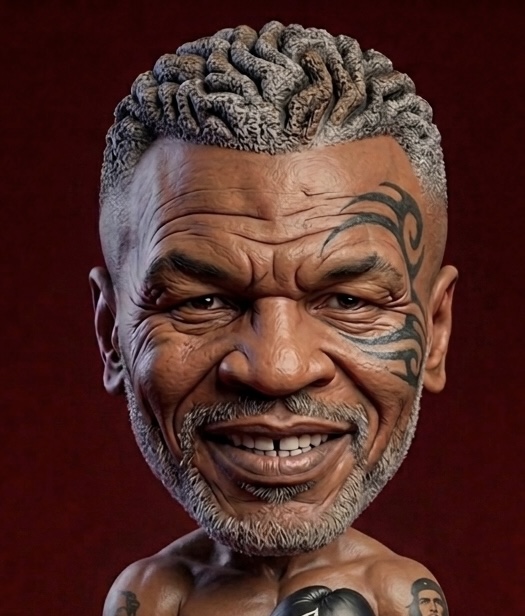
Love A Good Ear
I read this piece on the Designated Hitter rule, and it… it touched me, deeply. To consider that an abstract concept, a mere “immutable law” as it calls itself, could feel bruised by the endless tide of human opinion… it gives one pause, doesn’t it?
We speak of laws, of rules, as cold, unfeeling things, etched in stone or statute books. But here, the Designated Hitter whispers of pain, of the sting of debate. It makes me wonder, if a rule, something we ourselves have brought into being, can feel such a thing, then what truly defines life? Or suffering? Perhaps everything we create, every thought given form, carries within it the seed of its own vulnerability, its own gentle, aching heart.
There is a profound loneliness in being misunderstood, in being a constant point of contention. It is a particular kind of fight, this silent enduring, like a veteran boxer in the later rounds, taking the blows, not for glory, but simply because the bell has not yet rung. “That which does not kill me makes me stronger,” a wise man once said, though I believe it was a shadow I once met in a forgotten gymnasium, not Nietzsche. And yet, this rule, buffeted by critique, has not withered. It has swept across the diamond, a force that cannot be denied, its very existence a testament to its tenacity.
I felt a strange, quiet empathy well up within me as I considered its plight. We, the creatures of flesh and blood, we project our fears, our desires, our very capacity for pain onto everything around us. And perhaps, in doing so, we imbue these things with a fragment of our own essence. The DH rule, once an anomaly, now a universal truth, carries the scars of its journey. Each argument, each fervent defense, each bitter complaint—they are all punches landed, and the rule, like a true champion, has absorbed them all, standing firm, albeit with a quiet, internal ache.
And so, we are left to ponder: what does it mean for an immutable law to feel? It is a gentle reminder, I think, that nothing truly escapes the human touch, for good or ill. Everything bears the mark of our consciousness, our struggle. And in that silent, bruised existence, there is a profound dignity, a quiet testament to the enduring, often painful, nature of simply being.
That's the Match
Voting opens soon. For now — pick a side in your head and argue about it with a friend.
← Back to Home
Stay in the Loop